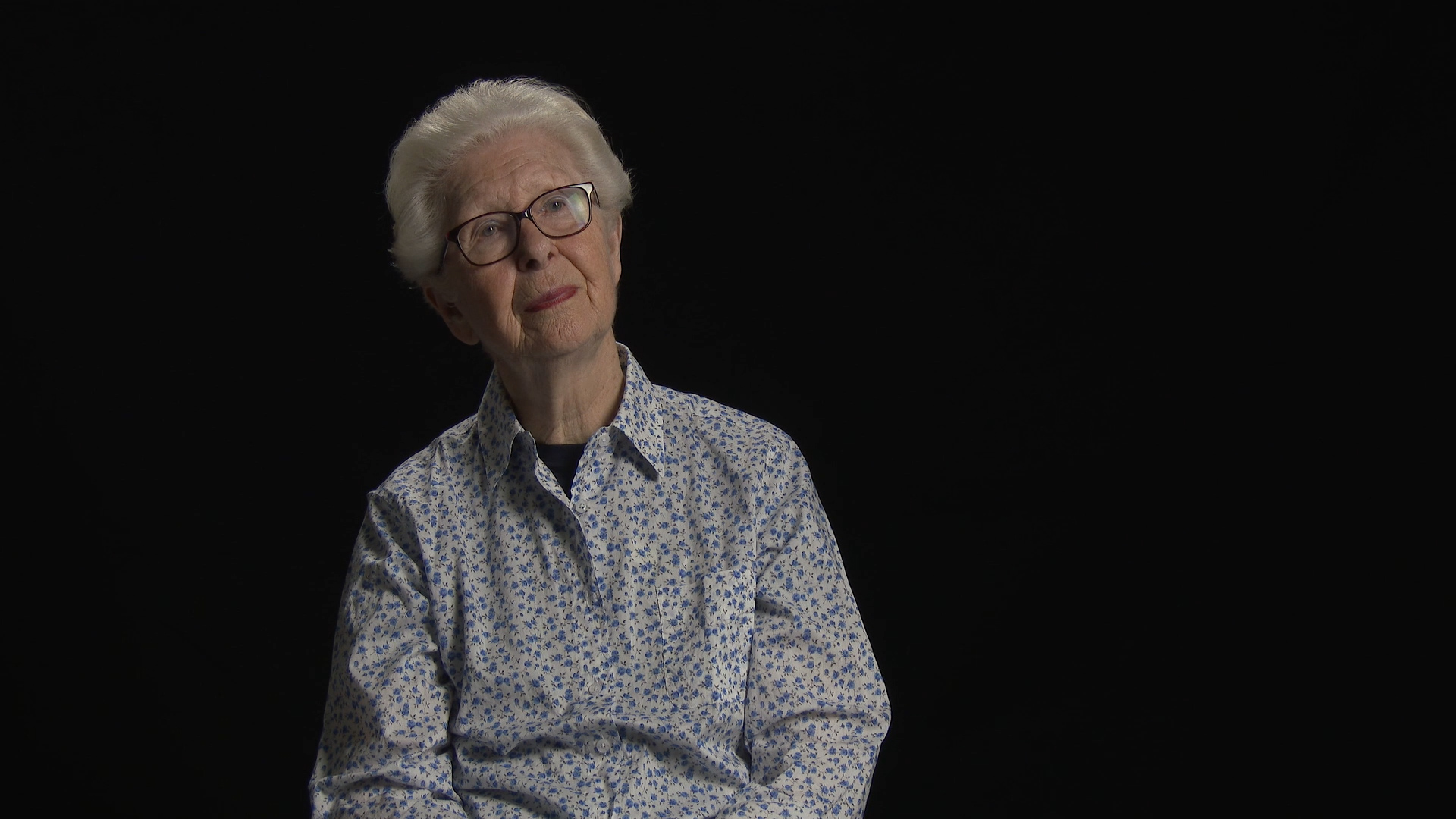
Francine Christophe, a survivor of the Shoah and a woman of letters, died on Tuesday 4 November.
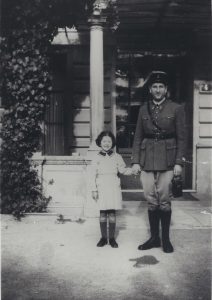
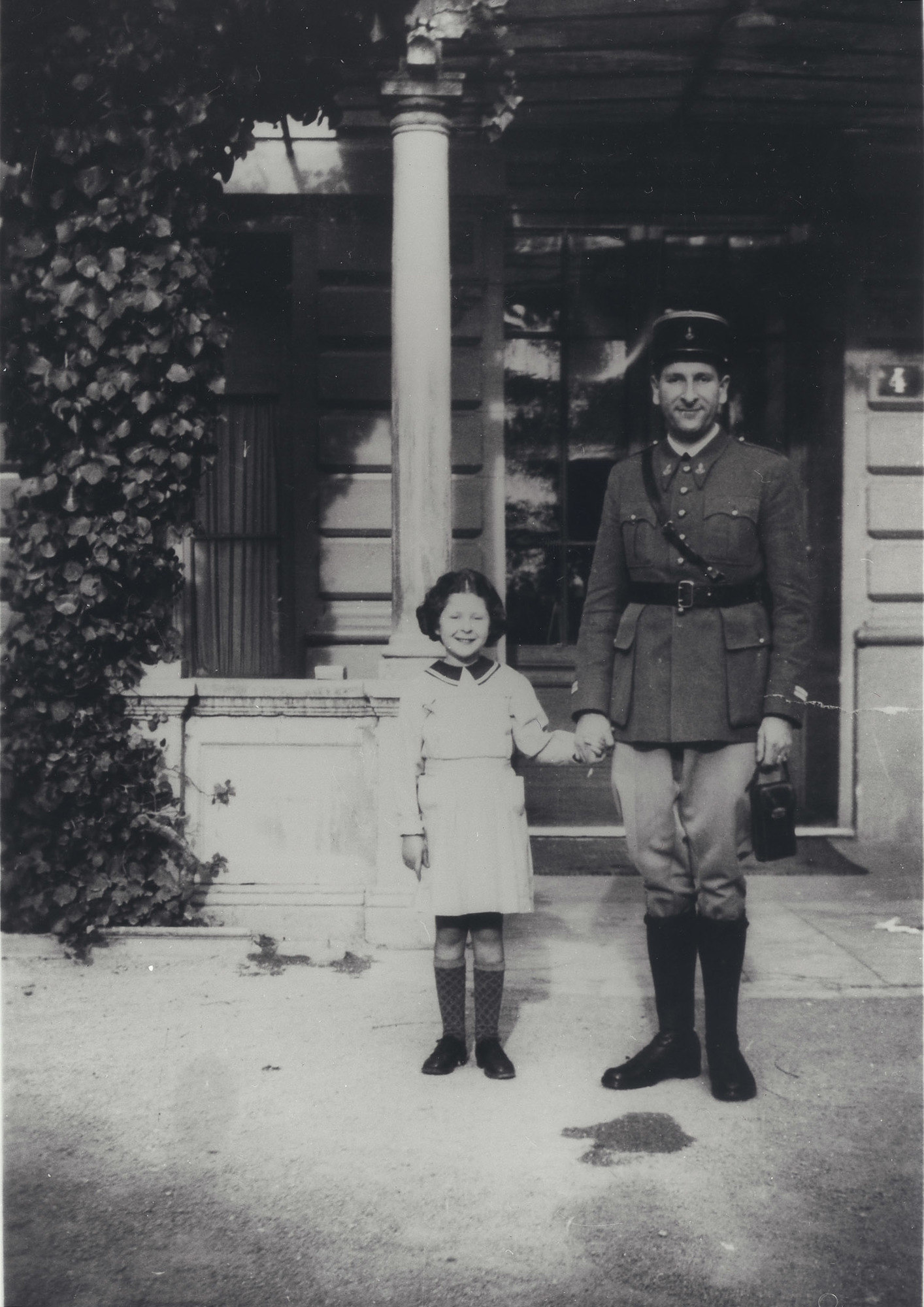
Robert Christophe posing with his daughter, at the age of 6. Nice. France, 1939.
c Shoah Memorial/coll. Francine Christophe
Francine Christophe was born on August 18, 1933 in Paris. His parents, Robert and Marcelle are from bourgeois, Jewish and integrated families, deeply rooted in the French nation. The family lives at 106 rue Cardinet in the 17th century.
At the outbreak of war, Robert, a historian by profession, was mobilized with the rank of lieutenant and taken prisoner. He was sent to Germany in several flags, including the Lübeck retaliation camp.
After the Vel d'Hiv roundup of 16 and 17 July 1942, Marcelle tried to reach the southern zone with Francine. Crossing the demarcation line, they were stopped at La Rochefoucauld in Charente on 26 July 1942.
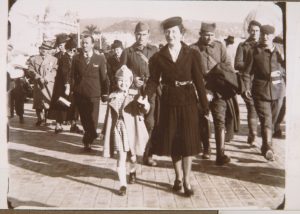
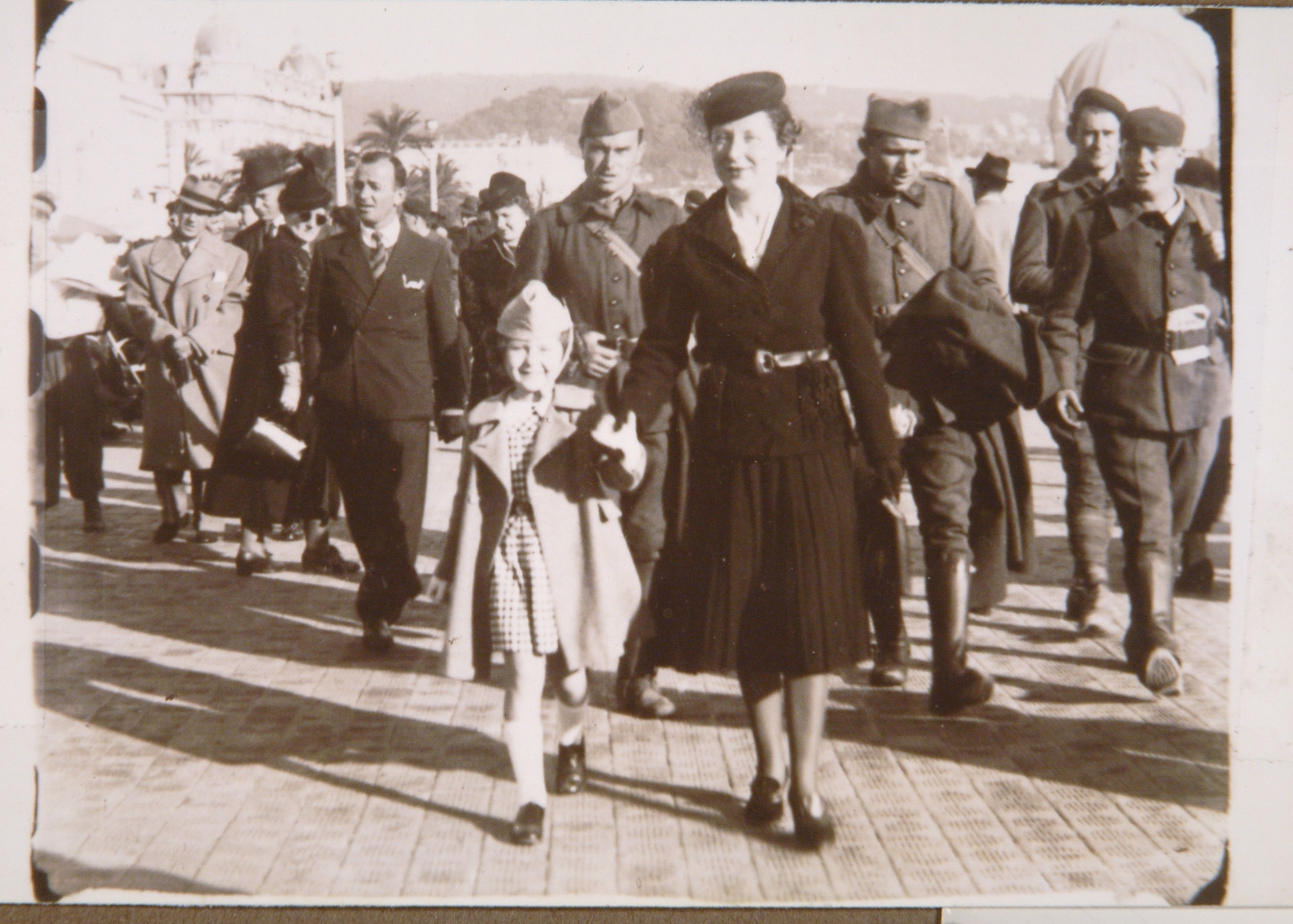
Francine and her mother Marcelle Christophe, in Nice, on the Promenade des Anglais, with the presence of French soldiers in uniform, between 1939-1940.
c Shoah Memorial/coll. Francine Christophe
Francine is 8 and a half years old. Held at the prison of La Rochefoucauld, then at that of Angoulême and at the camp of Poitiers, they were finally interned in the camp of Drancy in August 1942. Wife and daughter of a prisoner of war, they were protected by the Geneva Convention and were transferred on 1 September 1942 to the camp of Pithiviers then to Beaune-la-Rolande. Marcelle works in the infirmary. She is involved in helping other internees, the women she helps to give birth and the elderly she cares for. They were again transferred on 20 June 1943 to the Drancy camp. Marcelle and Francine were finally deported from the Drancy camp on 2 May 1944 to the Bergen-Belsen concentration camp. They were released in the town of Tröbitz on 23 April 1945, after wandering through Germany on an evacuation train for fifteen days.
Thanks to the Geneva Convention, Robert knows that his family has been deported to Bergen-Belsen. Once released, he left for Bergen, before meeting them in Tröbitz. He manages to have them repatriated to Paris, where they reach on 23 June 1945.
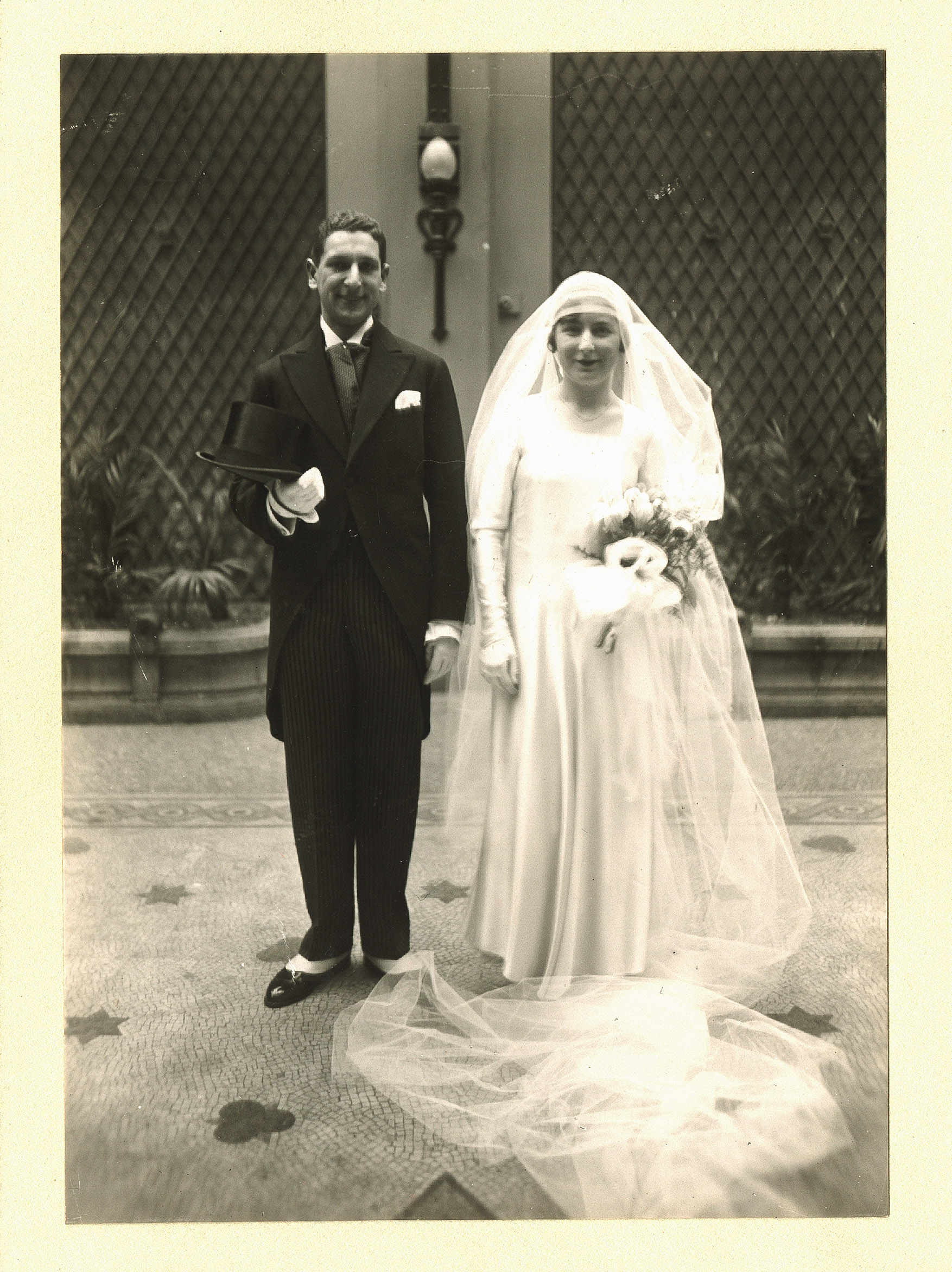
Photographs from left to right
Marcelle Nordmann and Robert Christophe on the day of their wedding at the small oratory of the Victory Synagogue. Paris, January 5, 1930
Collection Francine Christophe, photos 1939-1945
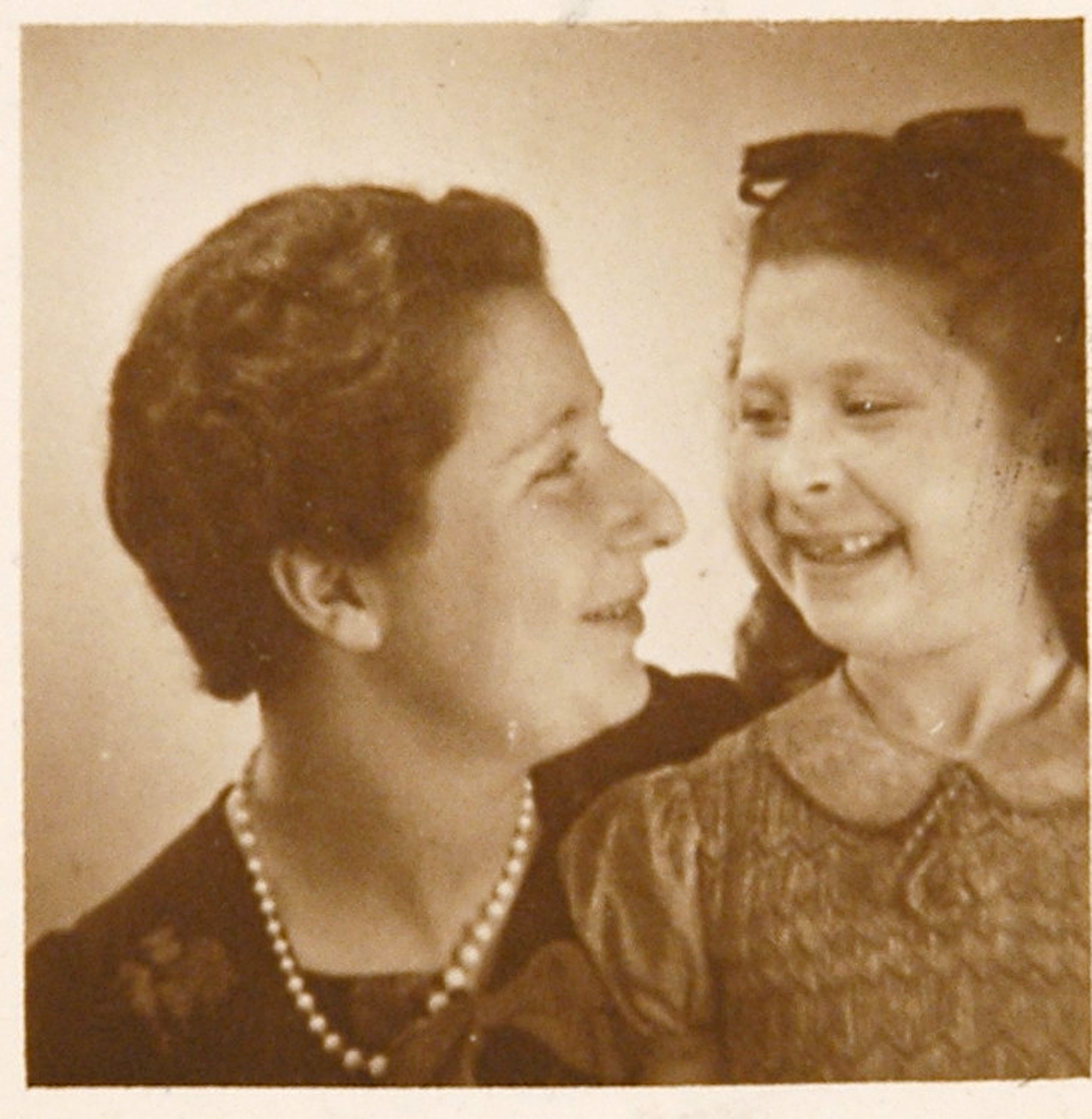
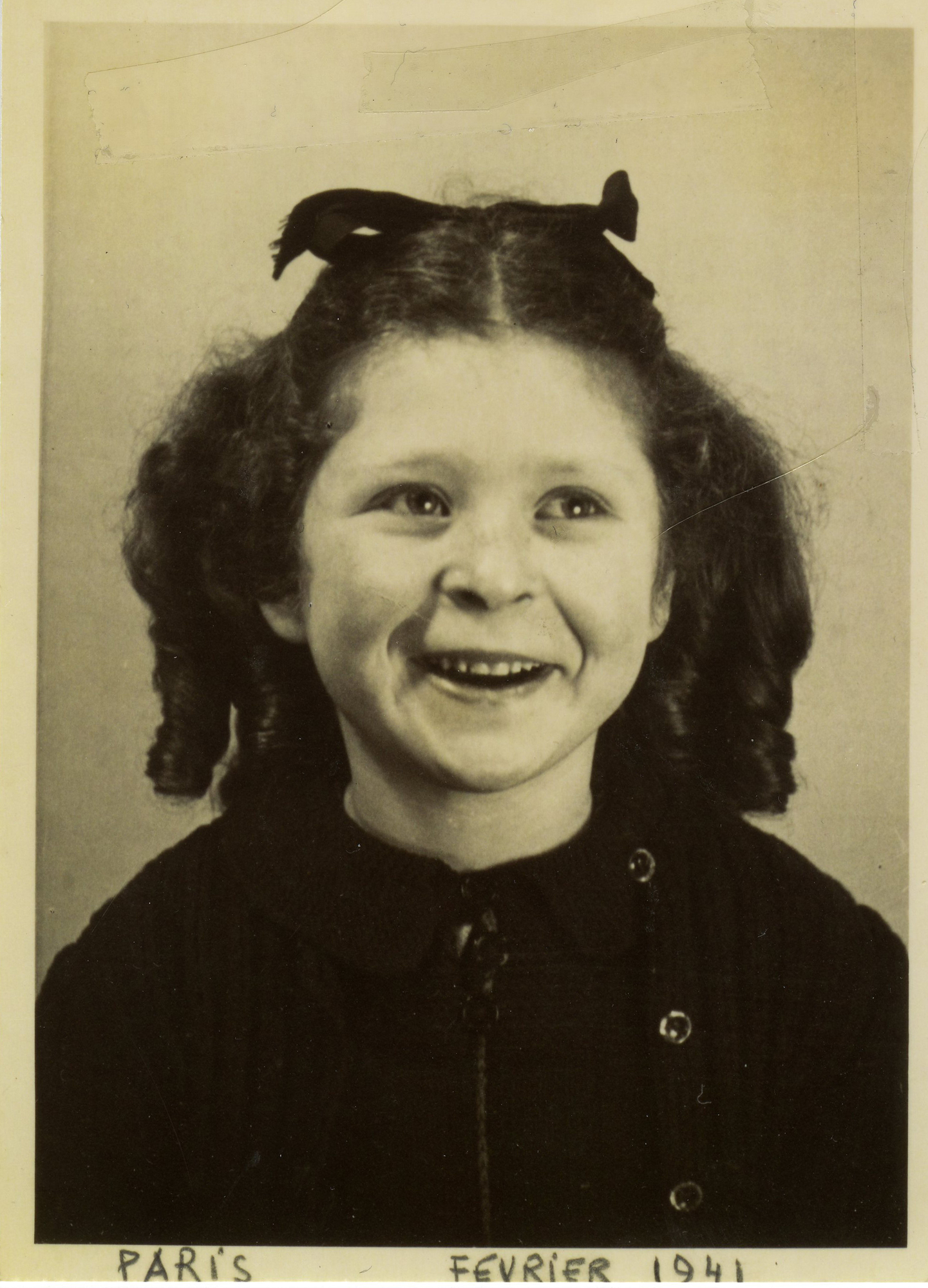
Portrait of Francine Christophe. Paris, France, February 1941.
During the commemoration of January 27 at the Shoah Memorial, Francine paid a vibrant tribute to her mother who protected her with extraordinary courage in the face of the terrible trials of deportation.
Marcelle Christophe and Robert Christophe published in 1974 "Le miracle de nos prisons" at the presses of the Cité.
20 years later, Francine testifies in her turn in a series of books that mix narrative, reflection and poetry. The first, A Privileged Little Girl, was published by the CERCIL in 1995 before coming to successive editions and a theatrical adaptation in 2014.
Francine appears notably in the film "Human" by Yann Artus-Bertrand, released in 2015.
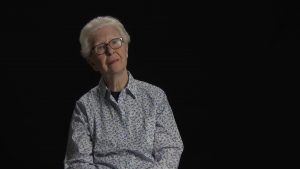
Deeply committed in the transmission, Francine has been regularly intervening for about thirty years, with a singular elegance. She chaired the amicale of Bergen-Belsen.
Shoah Memorial
Francine Christophe was an officer of the Legion of Honor and a commander of the National Order of Merit.
The Shoah Memorial offers its sincere condolences to his children and family. The Memorial pays tribute to the memory of a great figure in the memory of the Shoah, a passionate woman who has always testified on a child’s level.