Exhibition Images of the "billet vert" roundup.
An exceptional discovery for Historyexhibition
Sunday 10 May 2026Thursday 31 December 2026
On the occasion of the 85th anniversary of the "billet vert" roundup on 14 May 1941.
The recovered photographs.
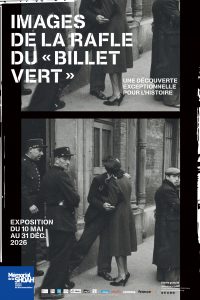 Shoah Memorial, September 2020. Two collectors present themselves at the photo library with five photographic contact sheets laminated on large cardboard sheets. Of these photographs, only ten are already known to specialists on the subject and have been published. They are marked with a cross on the original plates. The others are unpublished. This is the complete report.
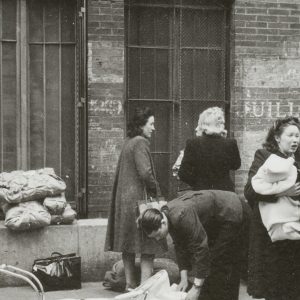
An exceptional set of 98 images comes back to light, 80 years after the fact. This report documents the first mass arrest of Jews in France, the raid of 14 May 1941 called "billet vert", ordered by the occupier and organized by the French authorities.
Today, an exhibition and a book offer the public to participate in the investigation that has made it possible to find the identity of the photographer, Harry Croner, and to understand his "look" on these tragic events, a look on which the German censorship was brought down, condemning these historical photographs to an oversight of more than 80 years.
Scientific Commission: Lior Lalieu, head of the photo library at the Shoah Memorial, Jean-Marc Dreyfus, historian.
General coordination: Clara Laine, Sophie Nagiscarde, Shoah Memorial.
Programming around the exhibition: Julie Maeck, Louise Gurman-Dessauce,
Pomi Ahn.
The roundup of 14 May 1941, "And that was the beginning..."
The decree-law promulgated by the Vichy government on 4 October 1940 allowed the internment of foreign Jews for the sole reason that they were both Jews and foreigners. Thus in 1941, three large roundups take place in Paris and cause the internment of more than 8,500 Jews. The first took place on 14 May 1941, at the initiative of the German military forces in France and conducted as part of the Franco-German collaboration.
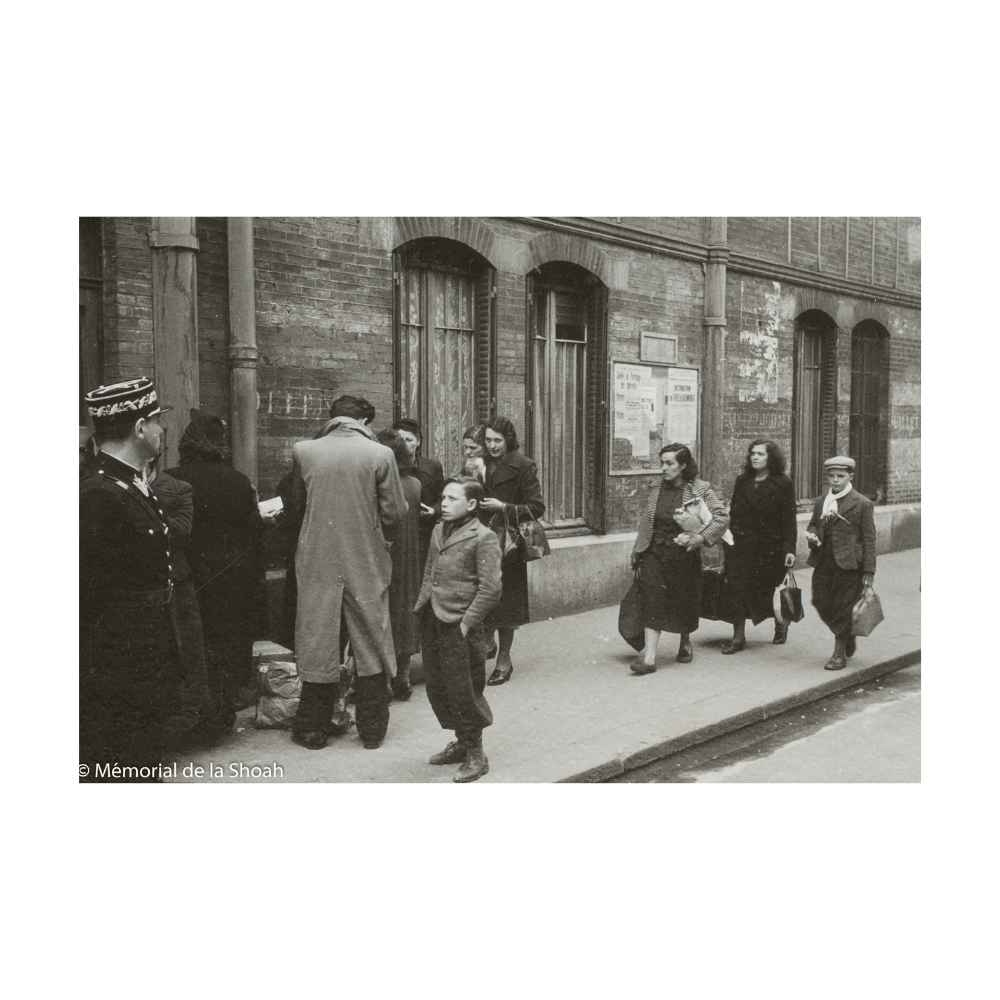
The roundup of 14 May 1941 is little known to the general public. The "green-ticket" roundup sweeps away, fathers, brothers, and spouses. It starts with a summons from the police prefecture and signed by the police commissioner. They come in the form of a simple small paper, mostly green.
Between 9 and 13 May 1941, the French police sent 6,494 summonses to the homes of foreign Jews in Paris. Some 3,700 men complied and went to the summons, most hoping for a regularization of their situation. Many of these men are in demand for naturalization.
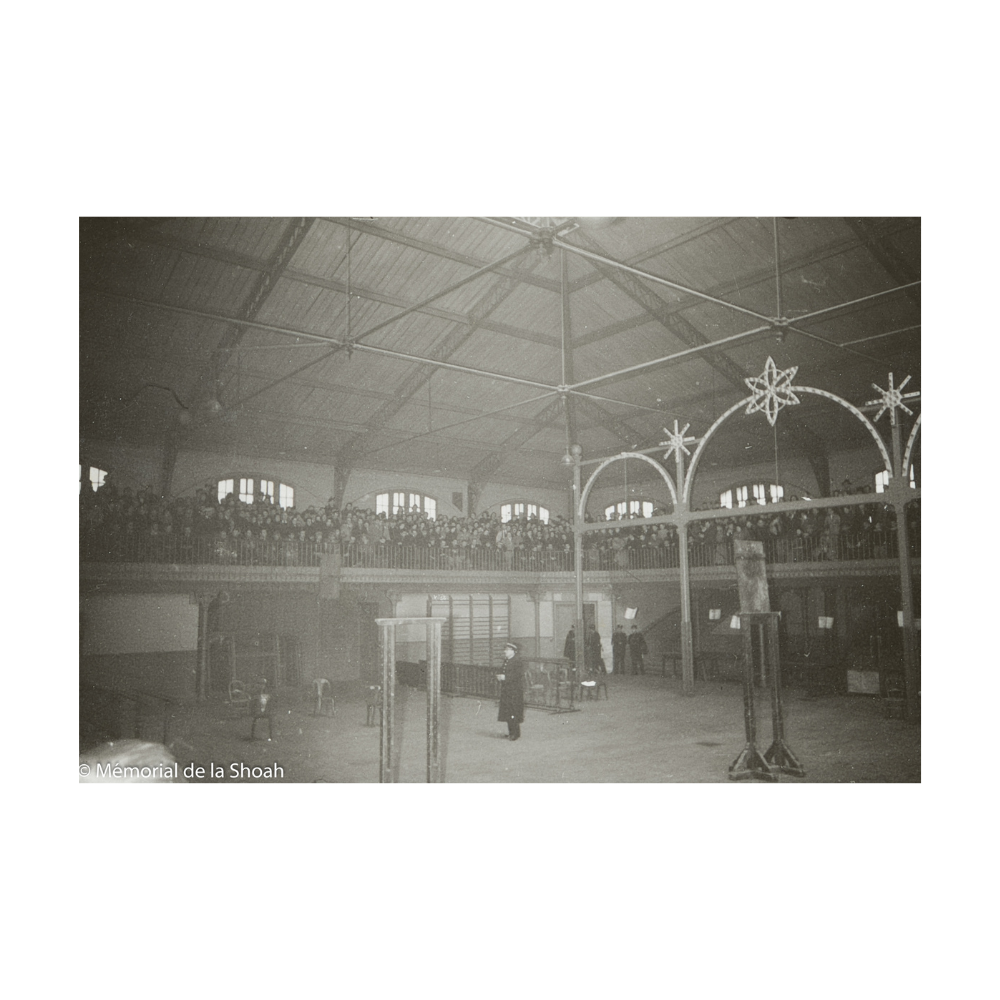
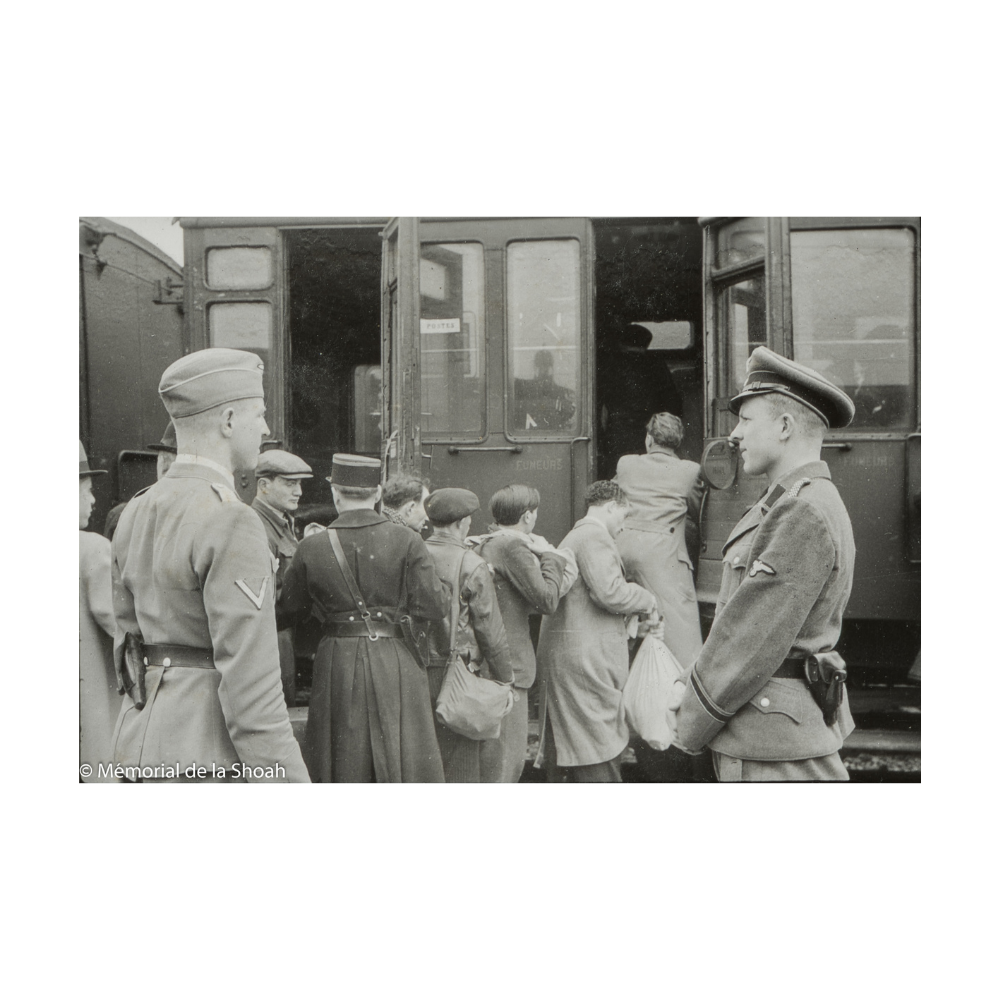
The Gymnase Japy concentrates the largest number of people summoned. Nearly 800 people were summoned there on 14 May 1941. A few hours later, they were transferred to the camps of Pithiviers and Beaune-la-Rolande via Austerlitz station.
For families, the internment of the "men of the greenback" for more than a year means loss of income, loneliness for mothers and children, and anxiety about tomorrow.
A year later, the women and children present that day were the victims of the Vélodrome d'hiver roundup on 16 and 17 July 1942. For some, they will be arrested and deported and, for others, it is the beginning of a painful exile, full of pitfalls and drama.
– Photos from left to right
Gymnase Japy: the arrested men are parked in the bleachers upstairs. We discover for the first time the interior of Japy and the hundreds of Jewish men.© Shoah Memorial
Families waiting to give the suitcases to their loved ones. © Shoah Memorial
WHO IS THE PHOTOGRAPHER?
The five contact sheets are part of a series of some 200 plates, most of them representing German soldiers and Nazi dignitaries in Paris between 1940 and 1941. However, the only photographers authorized to approach German soldiers in training and Nazi personalities are the photographers of the Propaganda Kompanie, or PK, created by Joseph Goebbels in 1938.
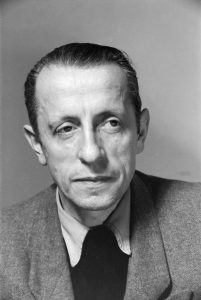
© Berlin City Museum
The PK is a combat unit composed of professional photographers and cameramen, responsible not only for documenting the campaigns of the Wehrmacht, but also to follow certain repressive actions in occupied countries.
The photos from the PK, once they have passed through censorship, are given to collaborationist press agencies for publication. The author of the report on the "green ticket" roundup is a certain Harry Croner, PK photographer between 1940 and 1941.
The exhibition and the book invite the public to take part in the investigation that has made it possible to find out the identity of the photographer, Harry Croner, and to understand his "perspective" on these tragic events.
– Photos from left to right –
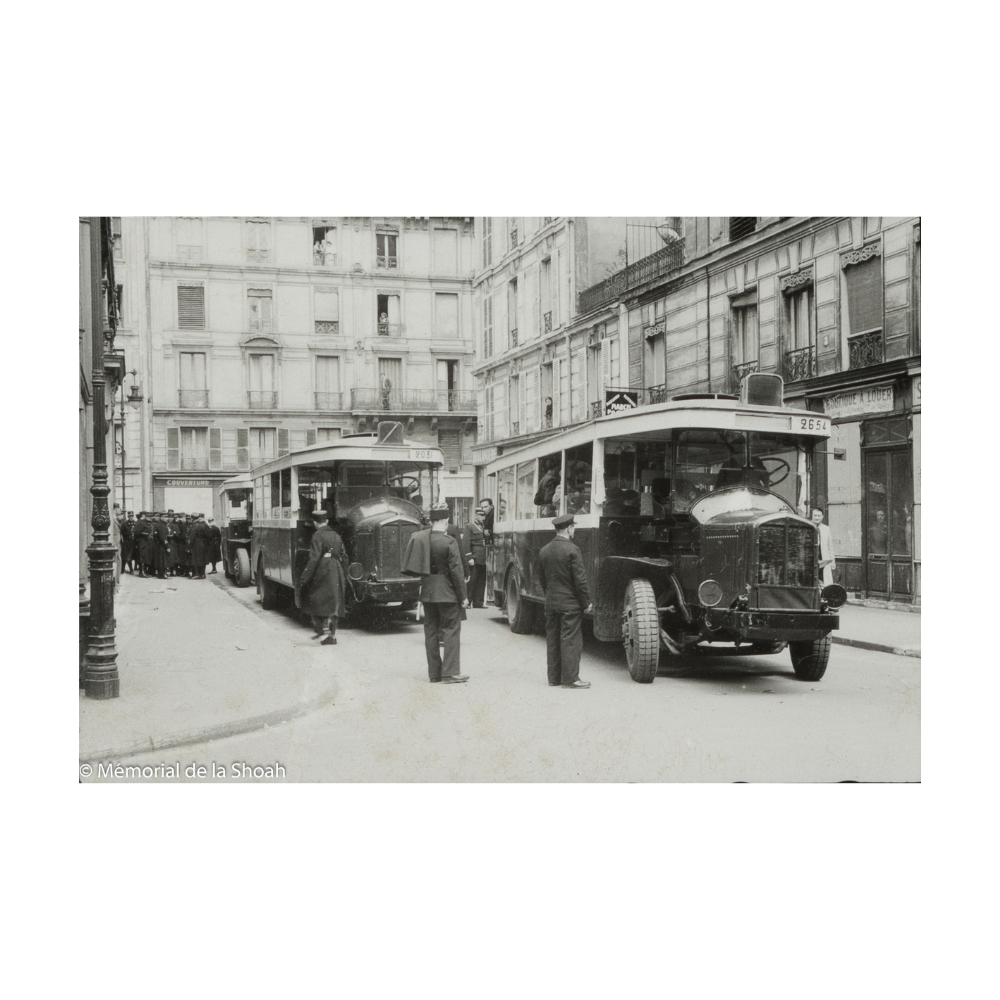
The men arrested are transferred to Austerlitz station by requisitioned French buses. © Shoah Memorial
Theodor Dannecker supervised the transfer of the Jews rounded up at Austerlitz station. His presence in the photos in this roundup shows that he followed and supervised all the proceedings of the roundup. © Shoah Memorial
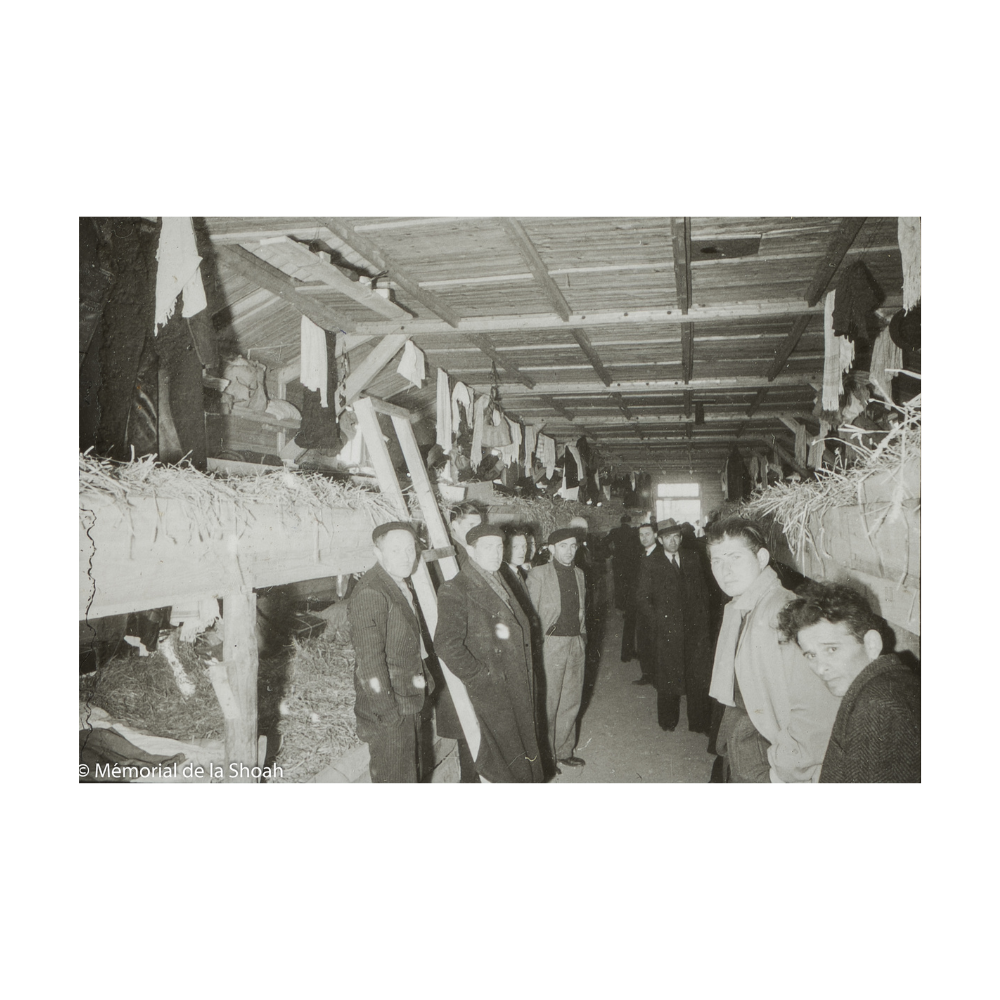
The photos were taken the day after the roundup at the Pithiviers and Beaune-la-Rolande camps. The men had to move into cold, unsanitary barracks under construction. The straw that will serve as a mattress in the barracks is still outside the barracks. © Shoah Memorial
QUESTIONS TO LIOR LALIEU, EXHIBITION COMMISSIONER
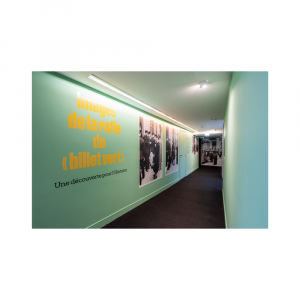
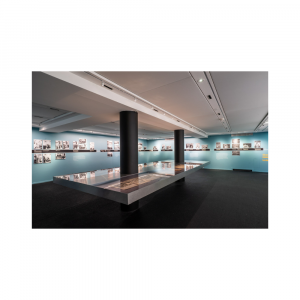
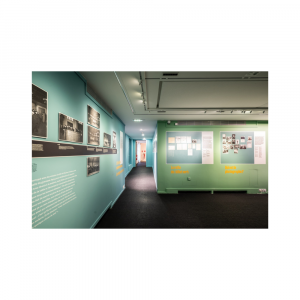
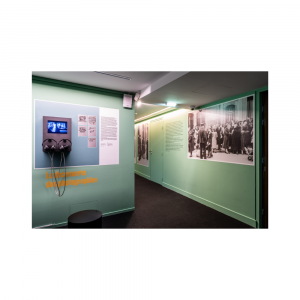
The exhibition in pictures
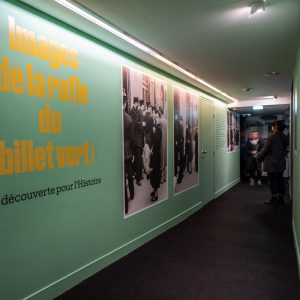
View of the exhibition at the Shoah Memorial © Shoah Memorial/Photo: Yonathan Kellerman
REVIEW the inaugural conference of the exhibition
Book La Rafle du billet vert. 14 May 1941 The photos were found.
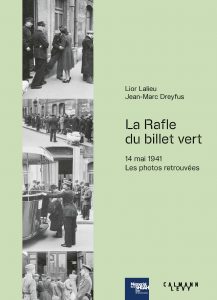 Texts of Lior Lalieu and Jean-Marc Dreyfus.
Éditions Calmann‐Lévy – Shoah Memorial, 2026,
172 pages, 22€
In stores on April 29, 2026
Order the work
PRESS CONTACT
Ingrid Cadoret | C La Vie – The Agency
ingrid@c-la-vie.fr | +33 6 88 89 17 72
Ninon France | C La Vie – The Agency
ninon.france@c-la-vie.fr | +33 6 19 95 85 68
Download the press kit