Simone Veil. My sisters and I exhibit
Tuesday, February 10, 2026 Sunday, November 29, 2026
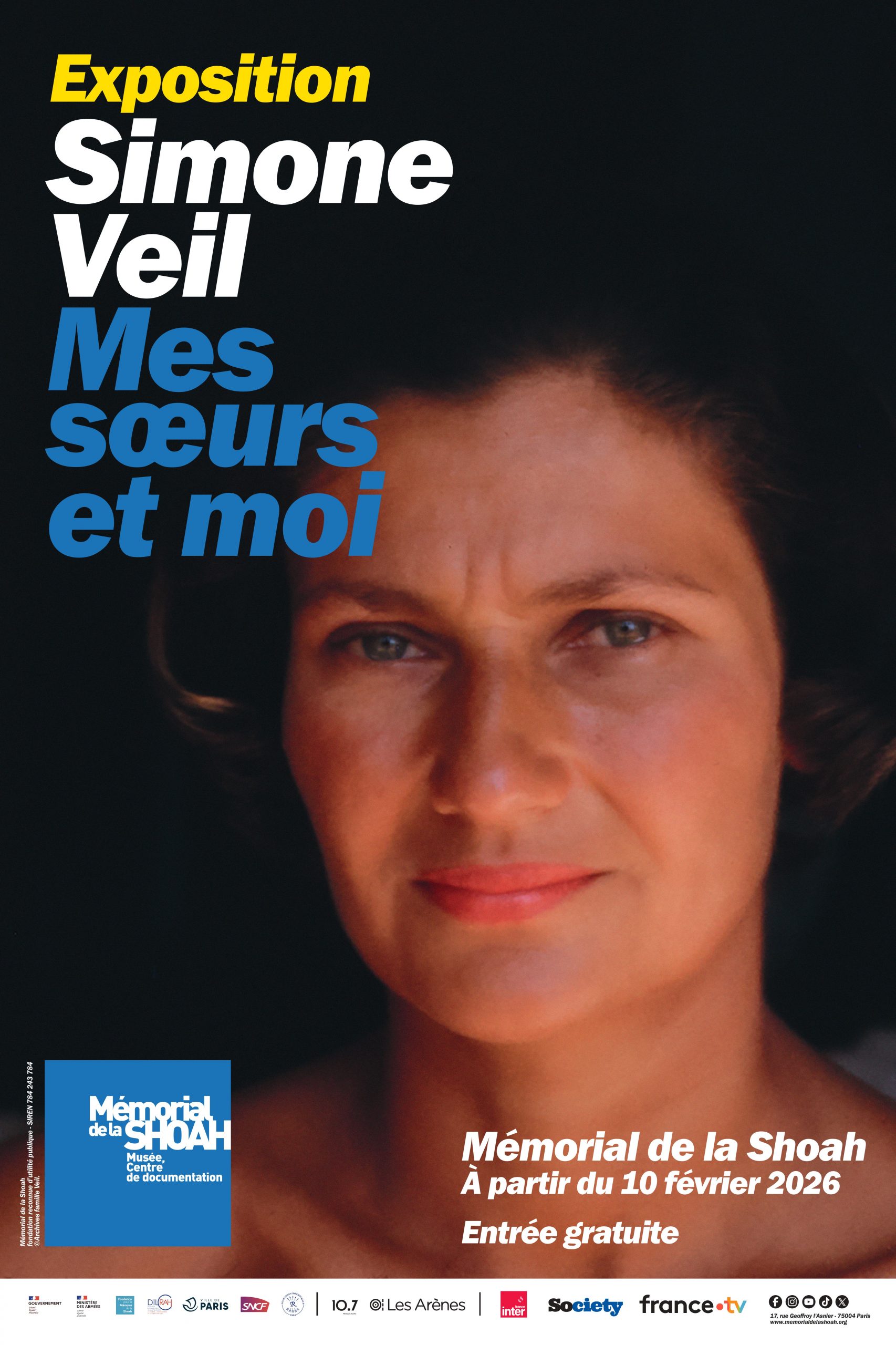
After the travelling exhibition "Simone Veil, a destiny". 1927-2017 ” presented in 2020, then “Simone Veil, a life of fighting” hosted at the Lieu de mémoire du Chambon-sur-Lignon in 2025, the Shoah Memorial once again dedicates an exhibition to this major figure in French political life and the memory of the Shoah.
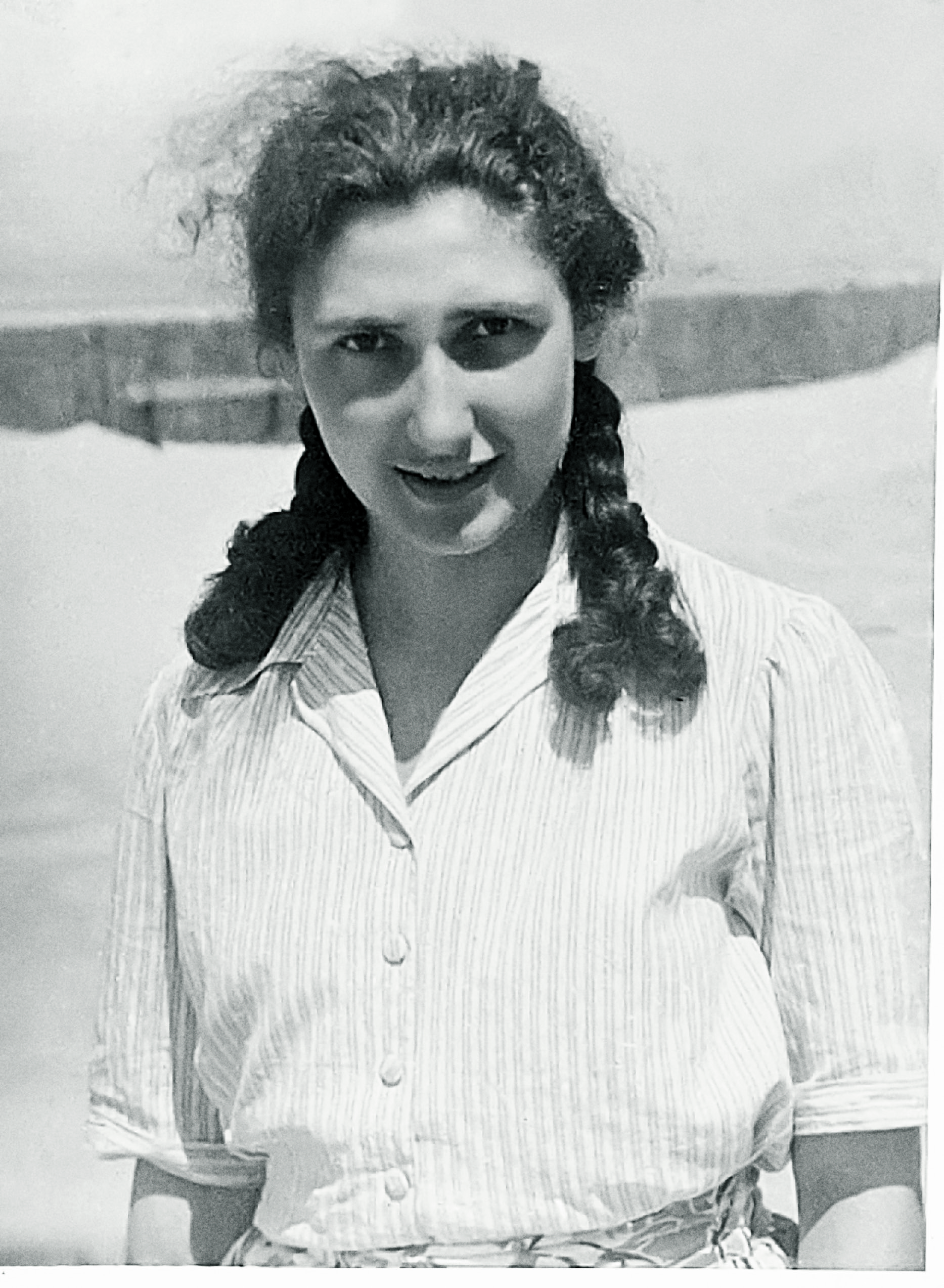
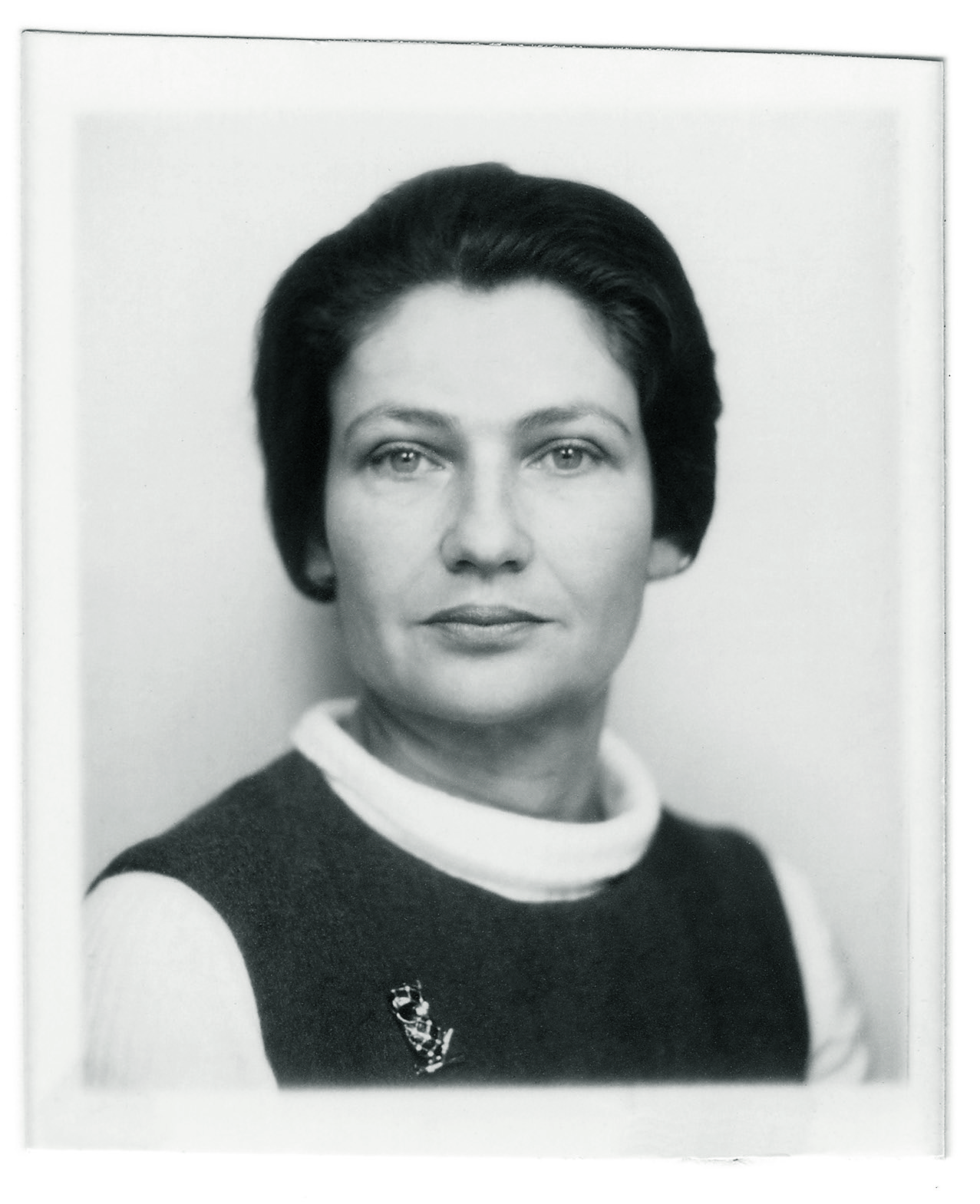
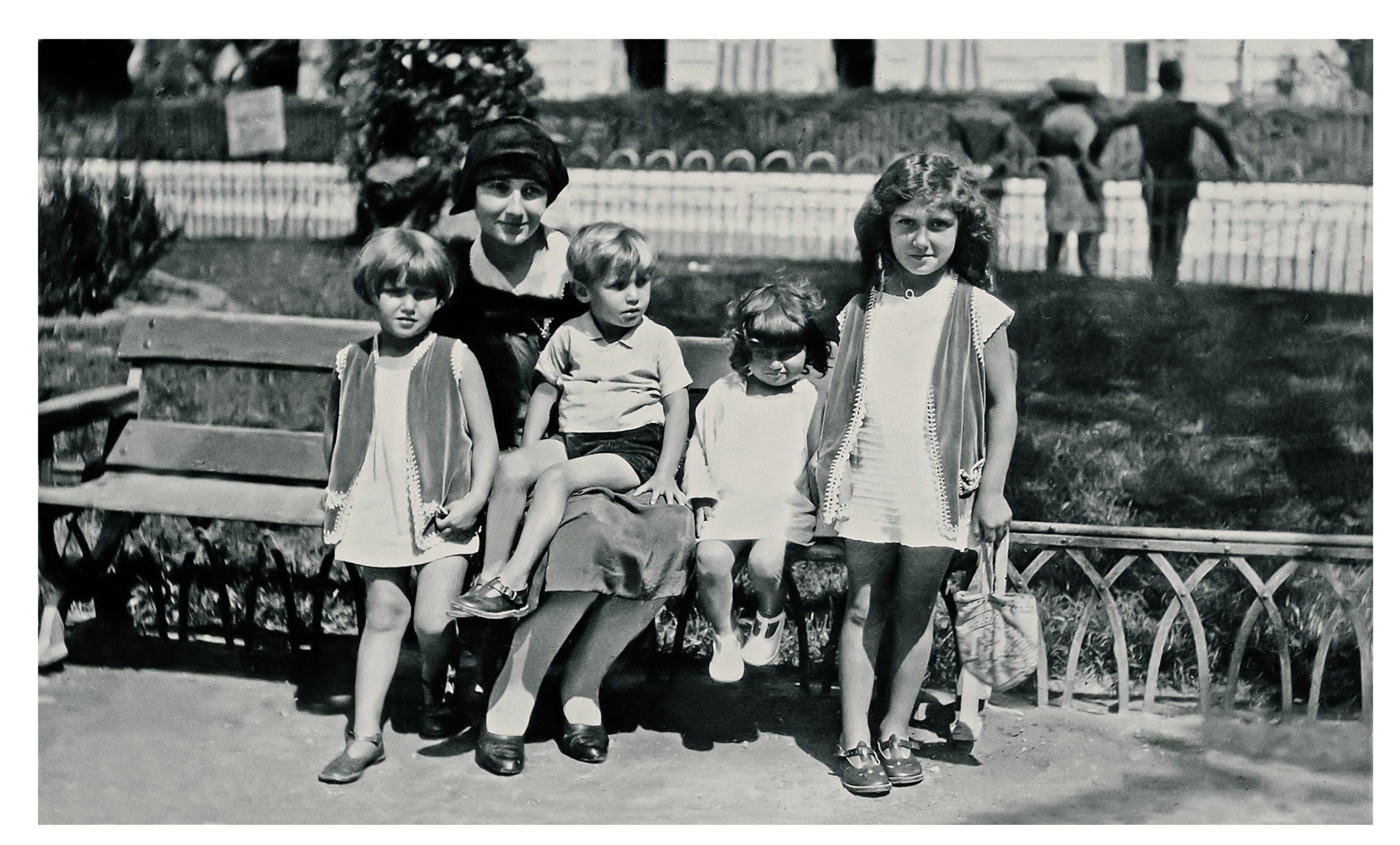
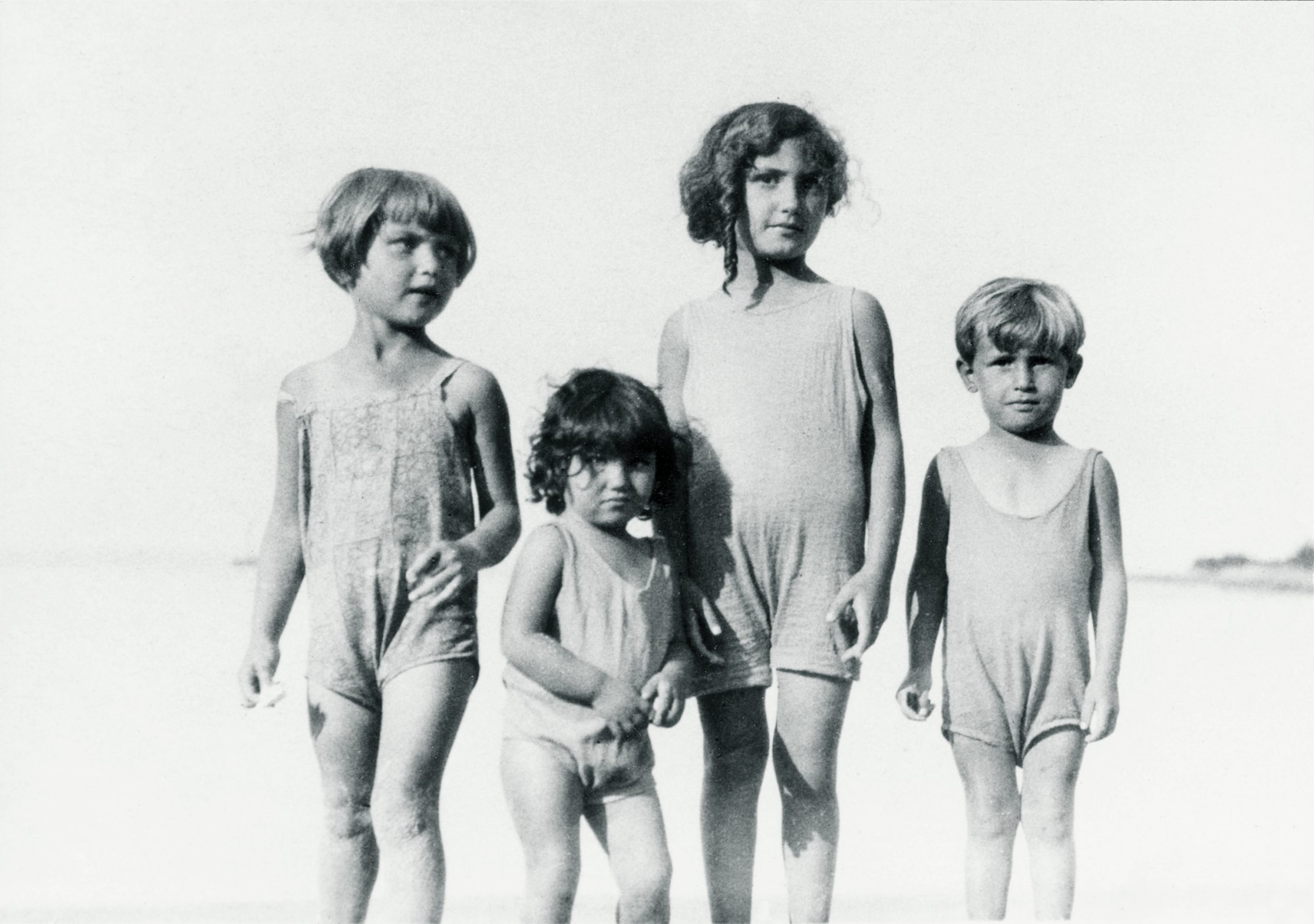
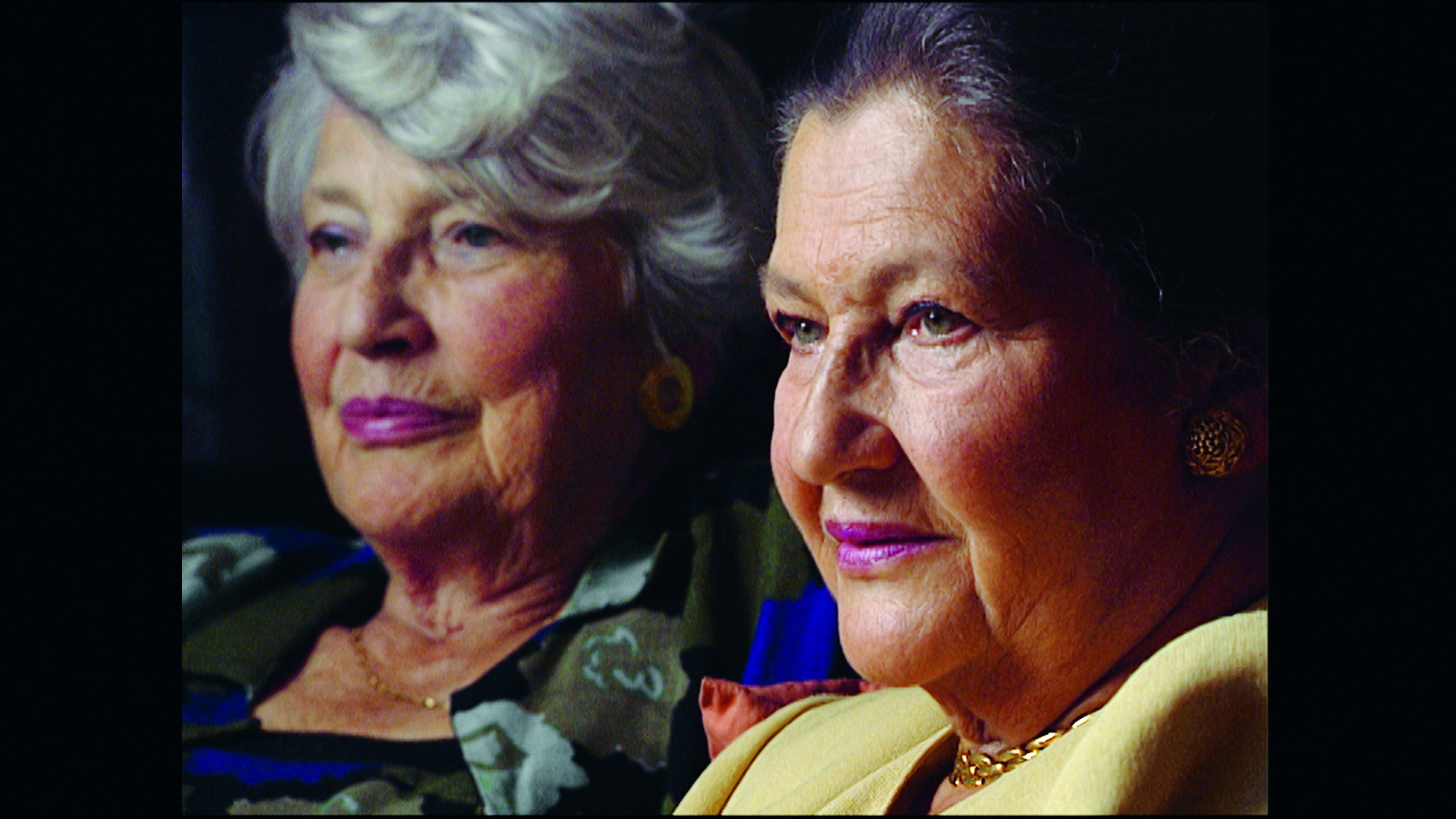
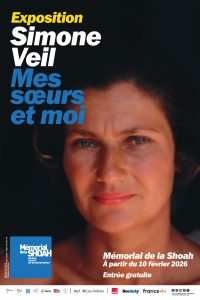 Simone Veil. My sisters and I plunges into the heart of the intimacy of the Jacob siblings, whose destiny was disrupted by the war. We discover a smiling and carefree Simone Veil, far from the frozen representations of the stateswoman.
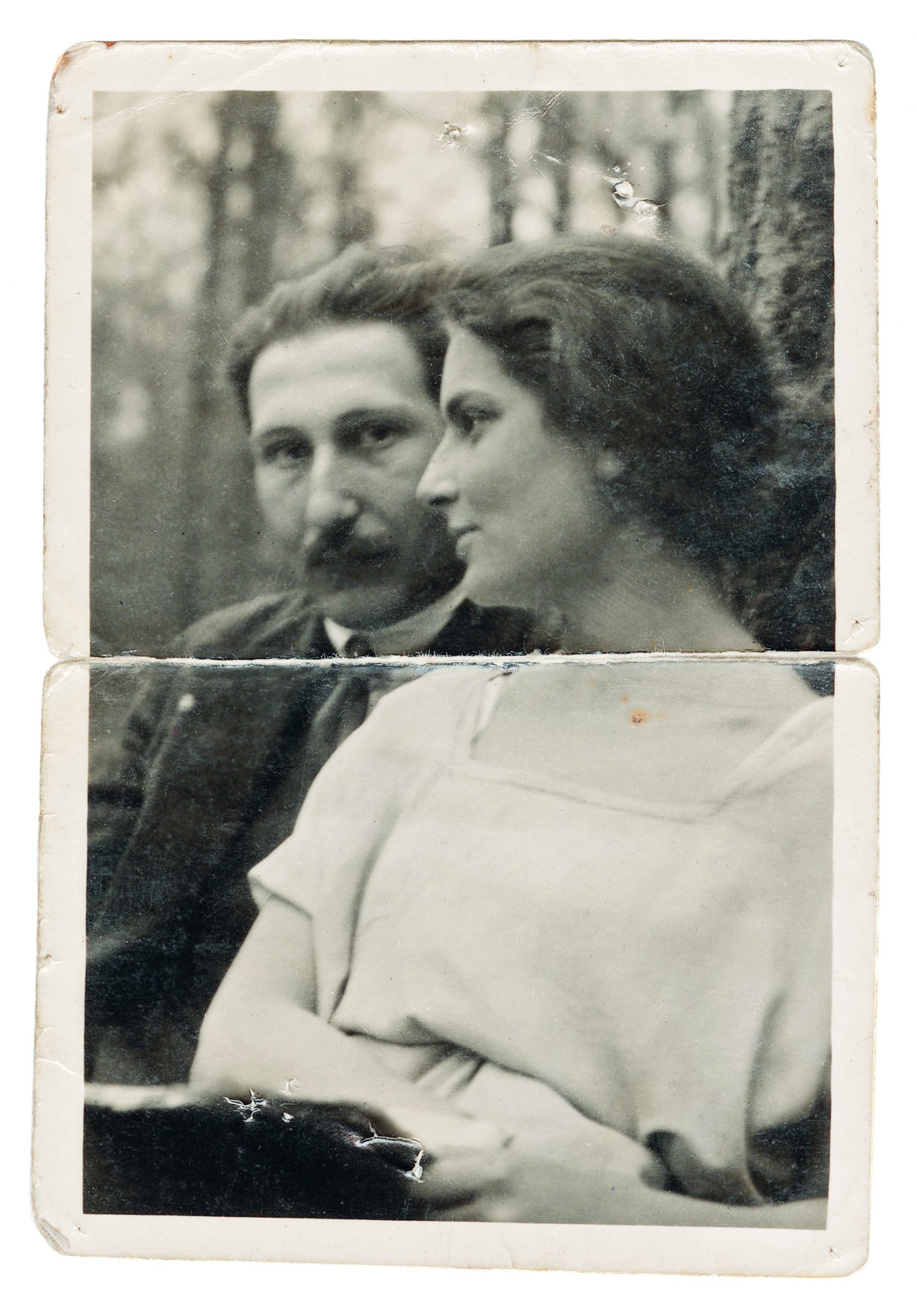
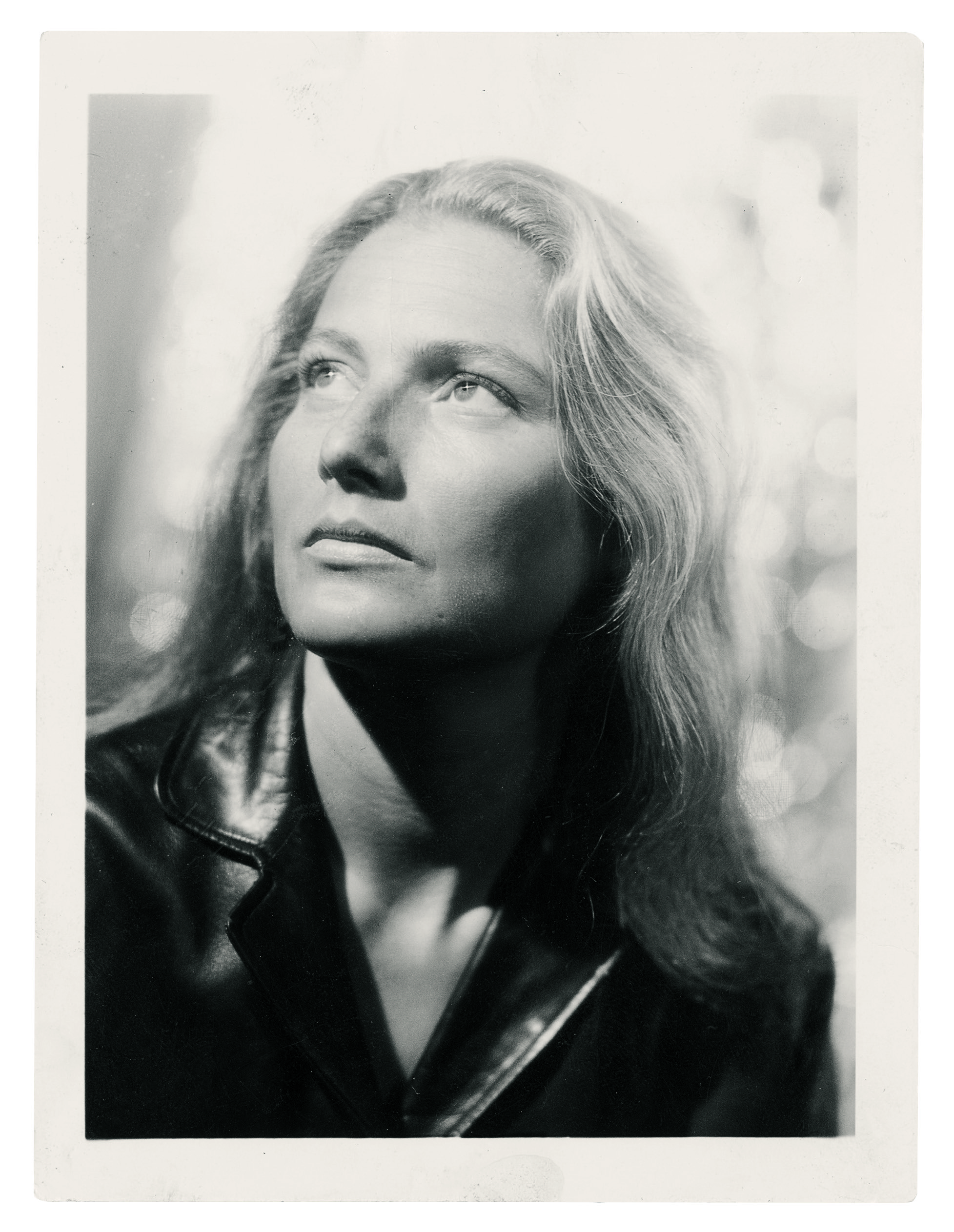
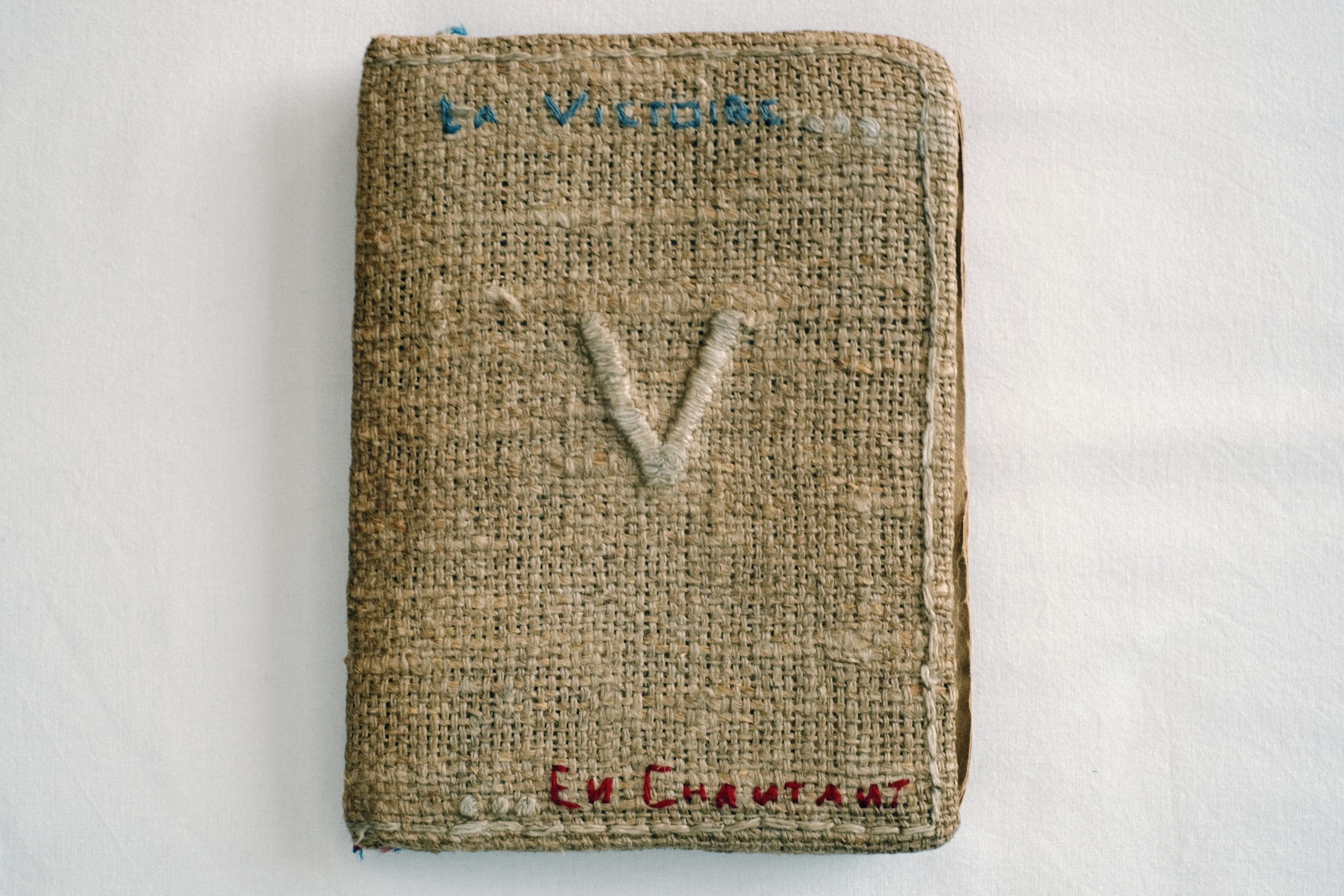
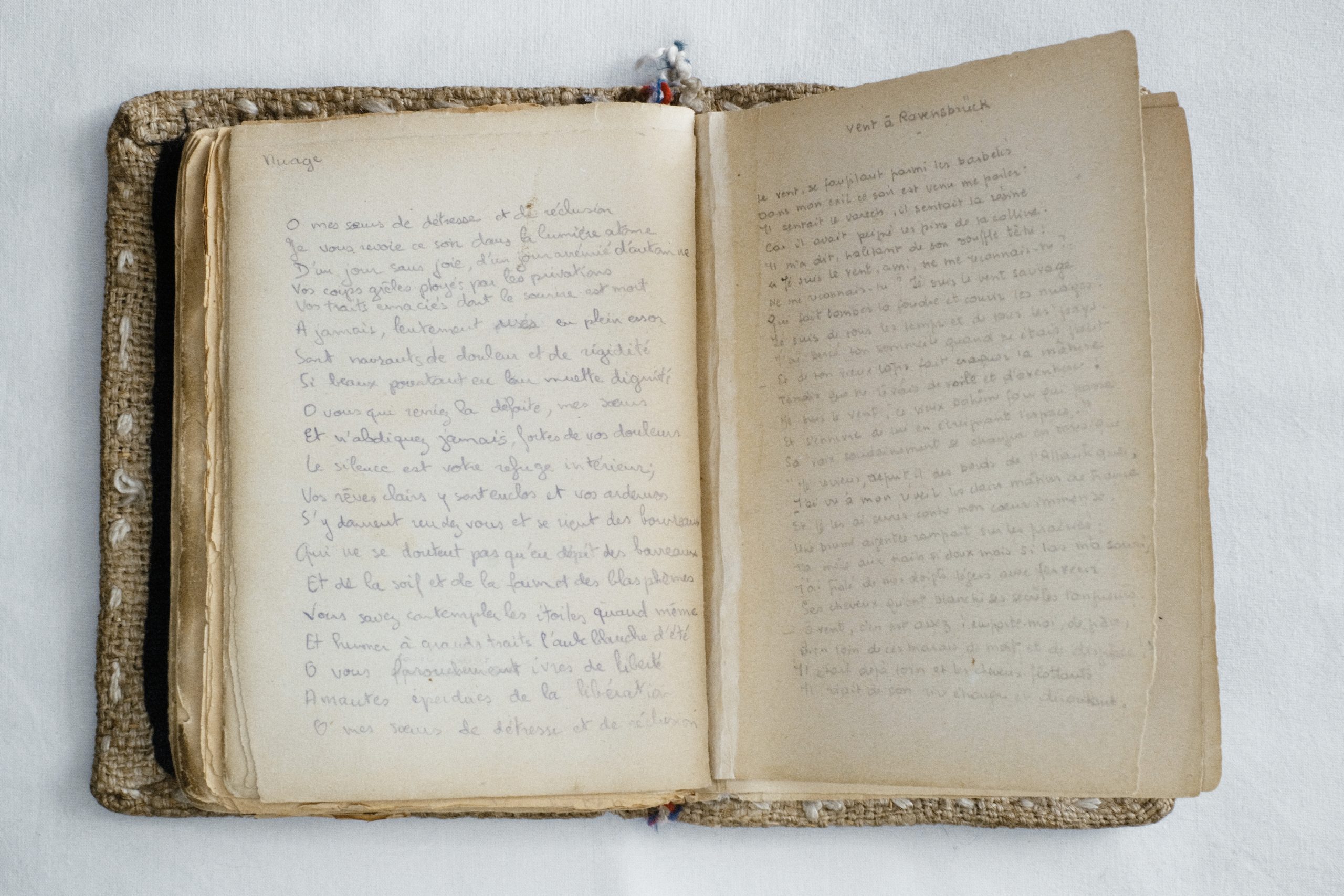
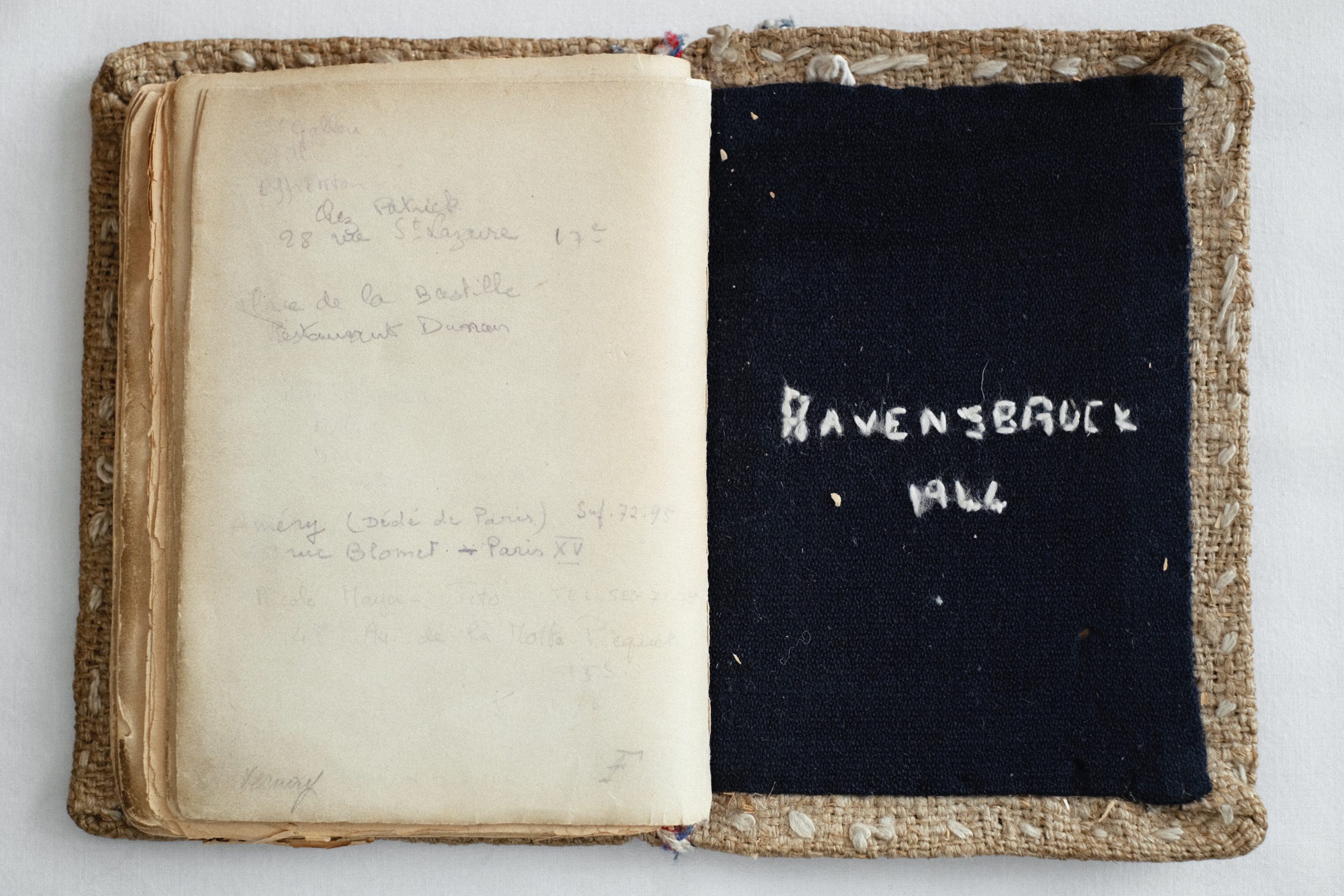
Designed by David Teboul and inspired by the eponymous book and film he made, the exhibition extends the author’s work around memory and transmission. It is based on excerpts from correspondence, diaries and stories and reveals photographs from the archives of the Jacob and Vernay families.
The three sisters Jacob, Madeleine (known as Milou), Denise and Simone grew up in Nice, in the 1920s, within a French Jewish family. Their happy childhood was gradually disrupted by the economic and political crises of the 1930s, then by the occupation and anti-Semitic persecutions.
Denise joined the Resistance and was deported to Ravensbrück. Simone, Milou, Jean and their mother Yvonne were arrested. The three women were deported to Auschwitz in the spring of 1944. Yvonne died at Bergen-Belsen; Milou returned weakened, Simone survived. Their father André and brother Jean, deported in 1944 by convoy 73, will not return.
Biography of the Jacob family
Through the writings and photographs preserved by the family, the interviews conducted by David Teboul, and the voices of the actresses Isabelle Huppert, Marina Fois and Dominique Reymond, the exhibition retraces the journey of the Jacob sisters, from carefree Nice to post-war reconstruction.war.
These personal archives shed light on the experience of the Shoah through the eyes of young women and question the way in which intimate memory and collective history are woven.
© Archives families Veil and Vernay
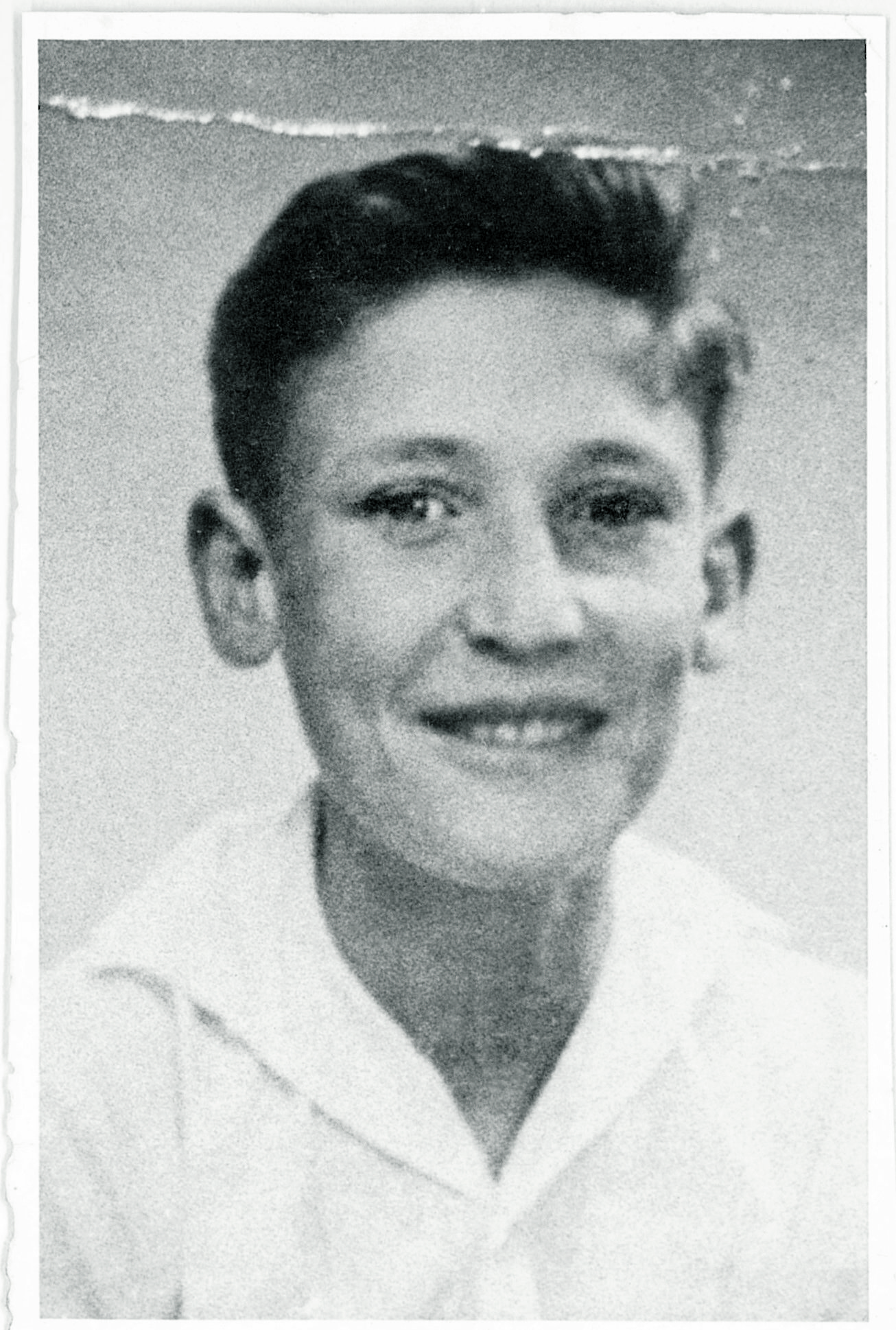
Tribute to Jean Jacob: his photographs exhibited for the first time
The exhibition also pays tribute to Jean Jacob, passionate about photography.
In 1942, he worked briefly in a photo laboratory before being deported in 1944 with his father on the only French convoy to the Baltic countries, where he was assassinated.
His sisters only learned of the circumstances in 1978. Several of his photographs, carefully preserved by the family, are presented here for the first time.
The Jacob sisters of Marie Desplechin and Fred Bernard
In Citizen Kane, Orson Welles retraces the life of a media mogul who, on his deathbed, utters one enigmatic word: rosebud. It will be discovered that he named his child’s sled this way. The "rosebud", the secret, of Simone Veil is the trio – or rather "the double duo", as Denise Vernay writes – that linked Milou and Denise and Milou and Simone. Milou had been deported to Auschwitz with Simone and their mother, Yvonne. A few months after making a film and writing Simone and her sisters, I wanted Marie Desplechin to adapt my story. Only Marie could hear and interpret accurately and with heart the painful, moving story of the Jacob sisters and write this magnificent script. Although I read few comics, I loved the work of cartoonist Fred Bernard on Robert Badinter’s grandmother, Idiss, and then his beautiful adaptation of La Vie secrète des arbres. I love her elegant drawing and the subtle and tender style of Marie Desplechin. Our editor, Laurent Muller, and I knew about this successful casting. What luck for the Jacob sisters! – David Teboul
Marie Desplechin accompanies the exhibition of the original comic strips with a text about Gilda and Pierre Gejdygier, the father and aunt of her husband, to whom she dedicated this album. Les sœurs Jacob by Marie Despleschin and Fred Bernard. Éditions Les Arènes BD, 2025.
Exhibition curator: David Teboul
General coordination:
Eva Albaran Agency: Tatiana Titli, Louise Riou
Shoah Memorial: Clara Lainé, Sophie Nagiscarde
Scenography: Cécile Degos
Graphic design: Eric Pillaut
Programming around the exhibition: Julie Maeck, Pauline Dubuisson, Louise Gurman-Dessauce
Director and photographer, David Teboul is the author of the documentary Simone Veil, une histoire française and the book Simone Veil, Mes sœurs et moi. His work explores memory and transmission through personal narratives.
questions to David Teboul, curator of the exhibition
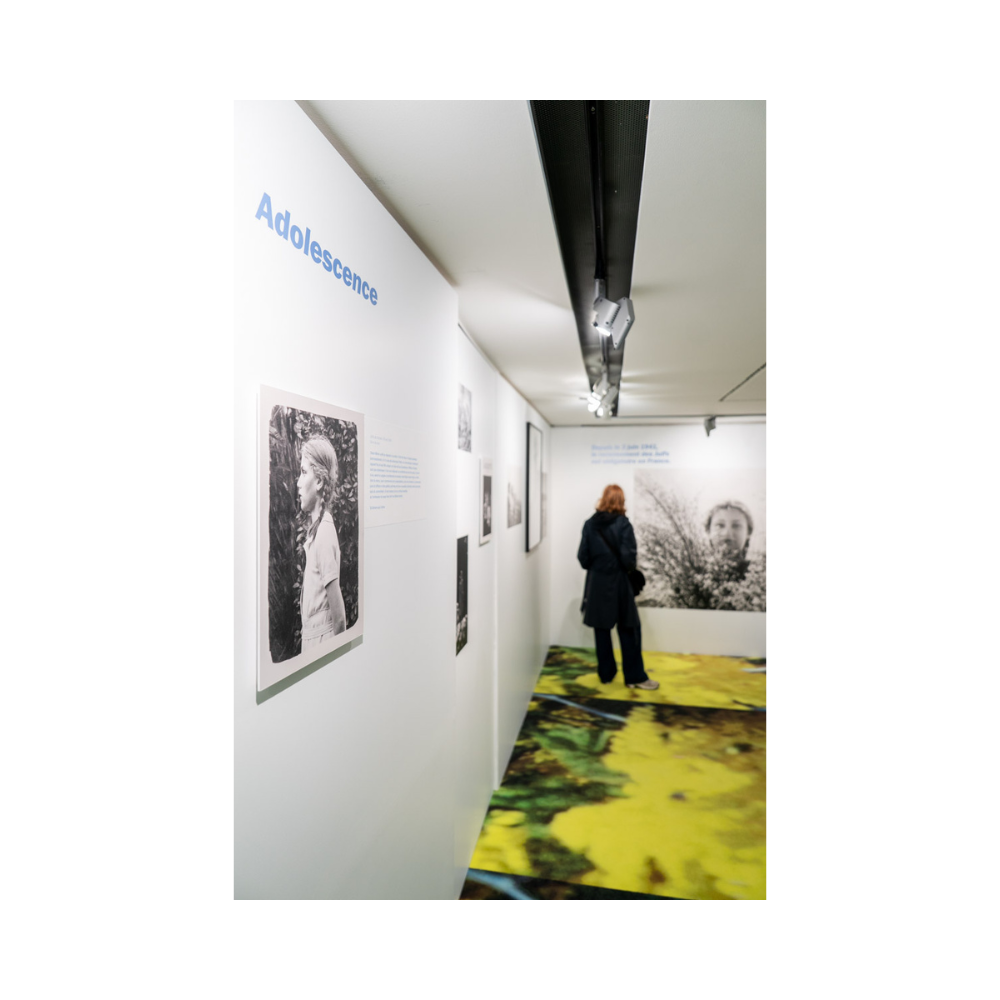
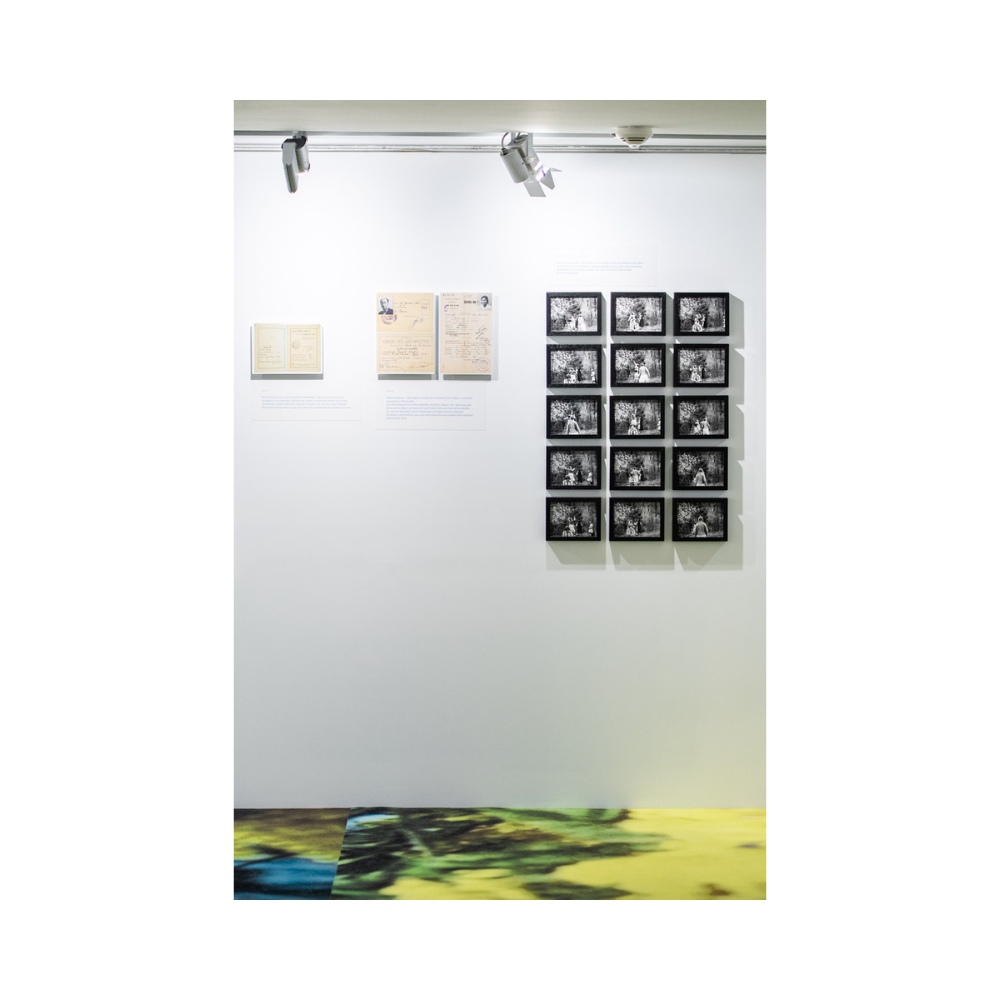
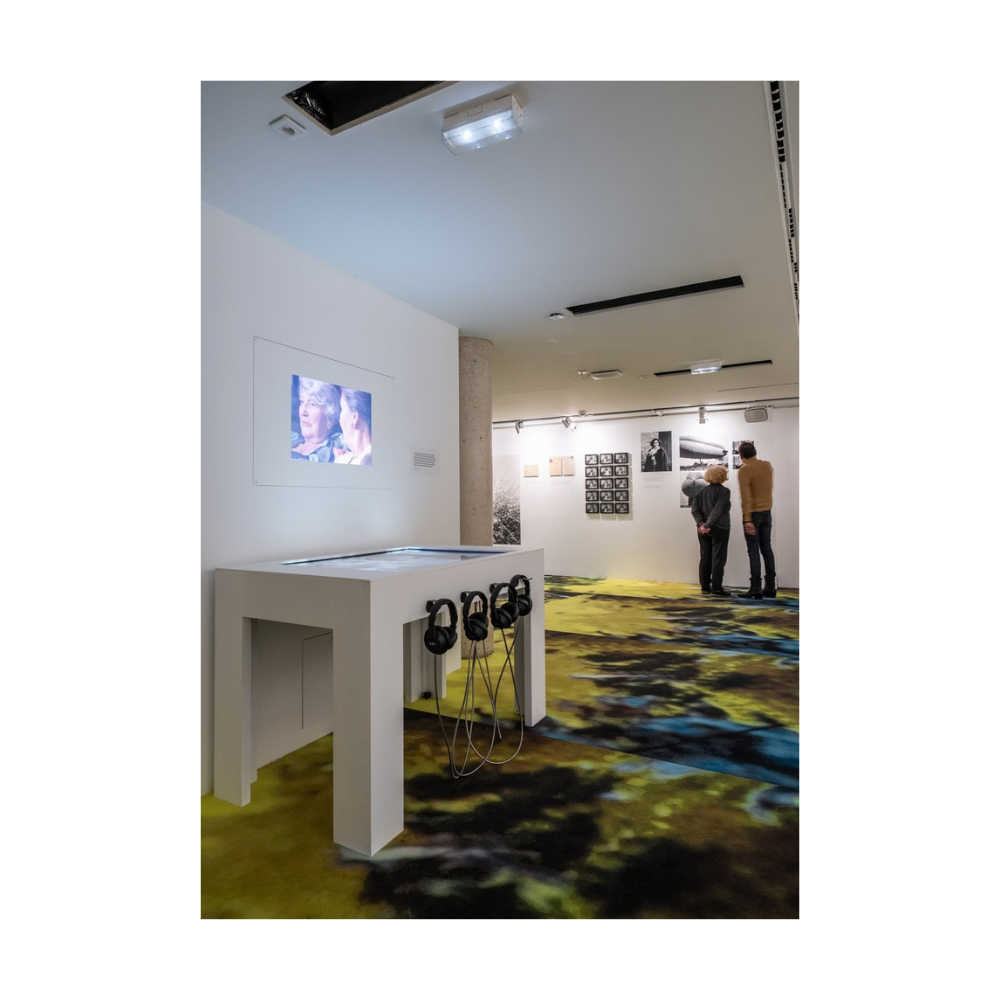
THE EXHIBITION IN PICTURES
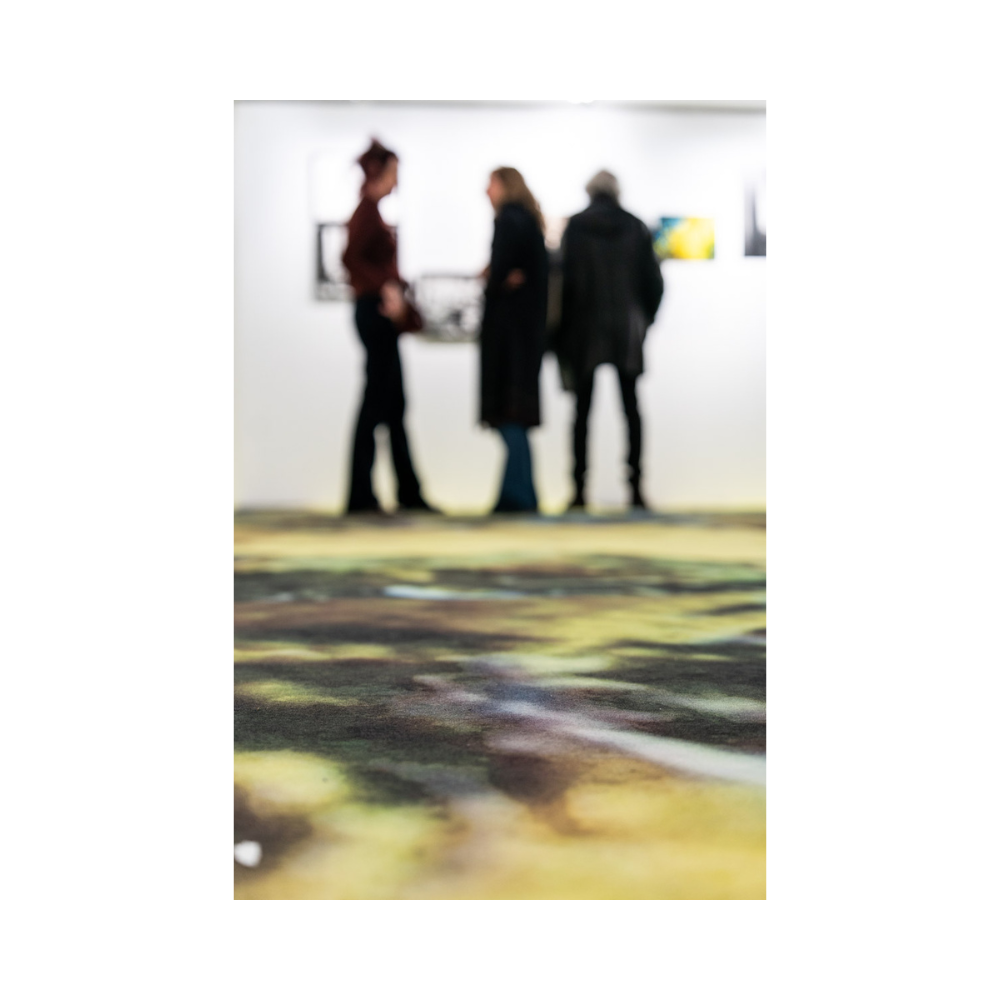
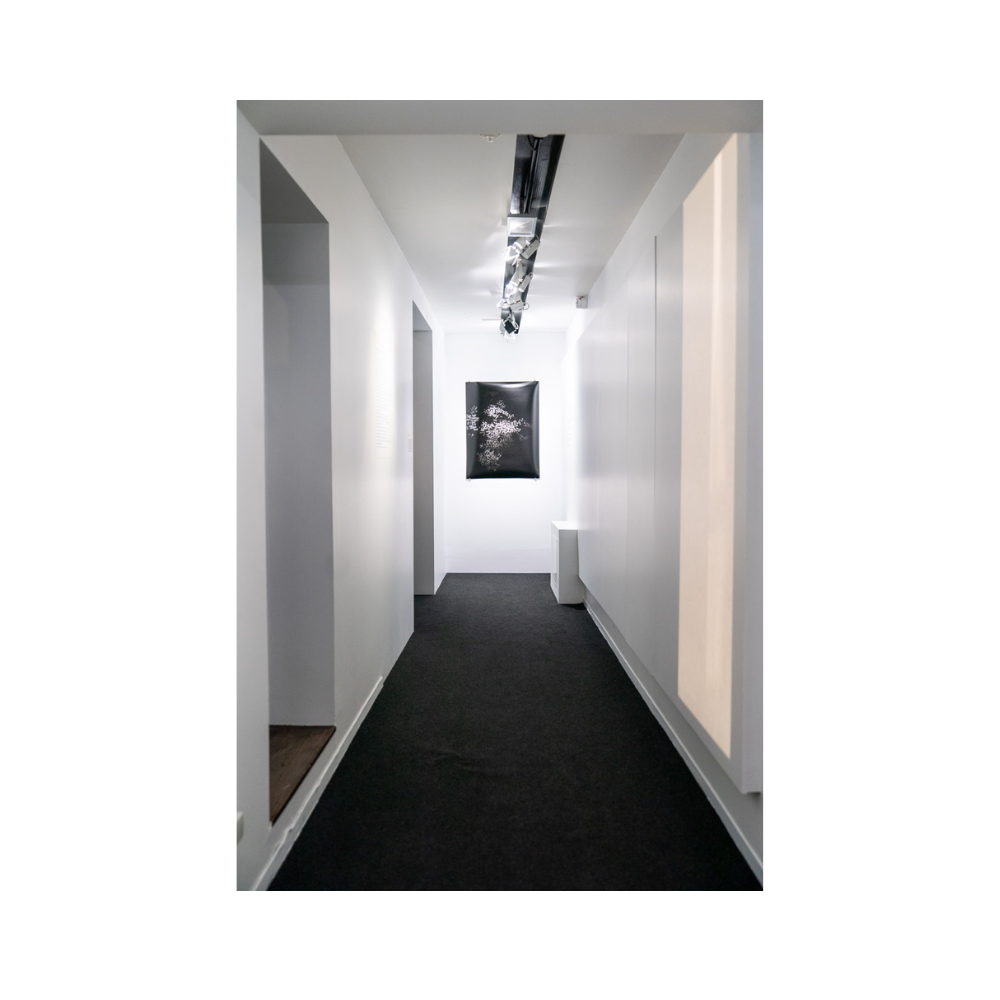
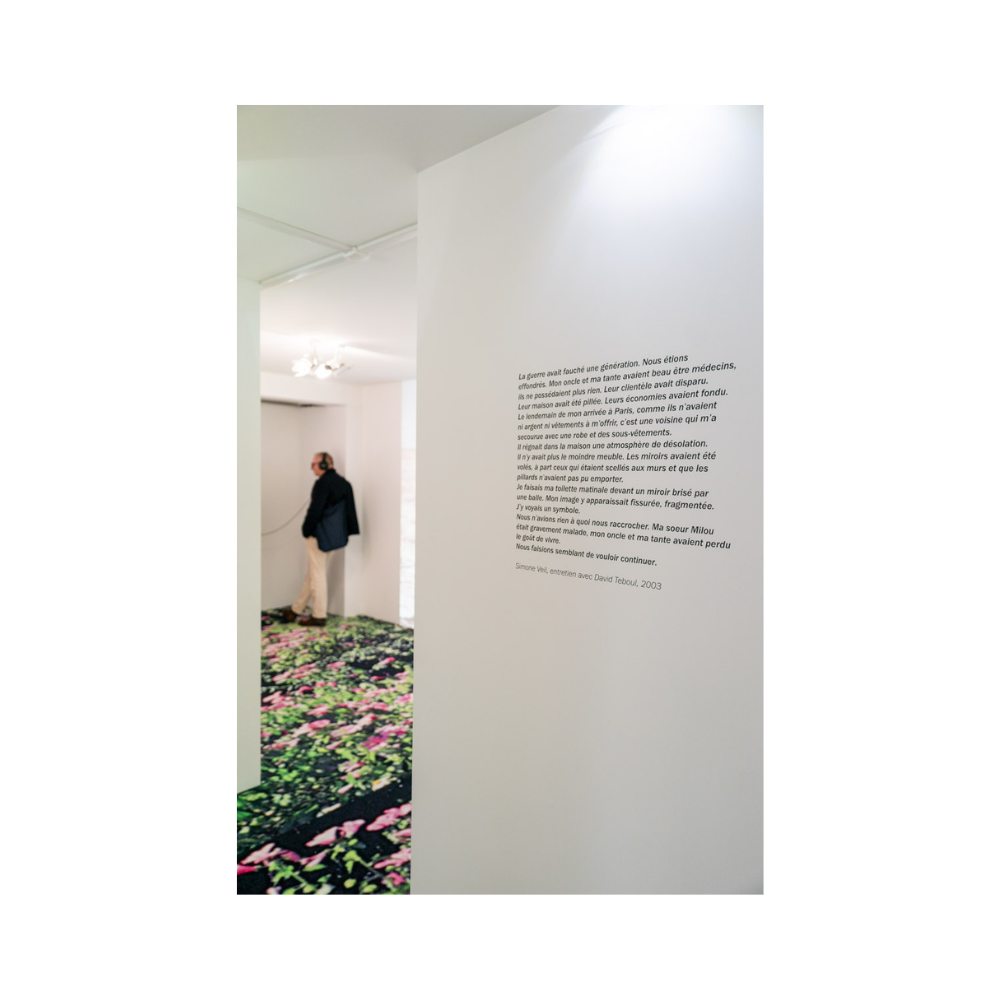
View of the exhibition at the Shoah Memorial © Shoah Memorial/Photo: Yonathan Kellerman
REVIEW the inaugural conference of the exhibition
BOOK SIMONE VEIL. MY SISTERS AND ME
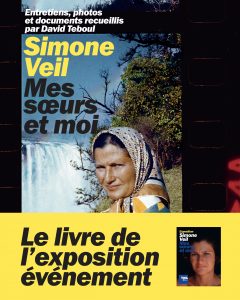 The exhibition is accompanied by the publication of the book Simone Veil. My sisters and I (Éditions Les Arènes, 380 pages, February 5, 2026).
The most complete visual summary ever published.
This book offers an exceptional visual immersion in the largest archive ever gathered on Simone Veil. The layout, radically contemporary and sensitive, highlights more than 1,400 documents: archival photographs, objects, family albums, unpublished letters, personal images never published... Thanks to the exceptional assistance of the Shoah Memorial, partner of the project, this iconographic treasure comes alive before our eyes.
On sale at the Shoah Memorial bookstore
PRESS CONTACT
Ingrid Cadoret | C La Vie – The Agency
ingrid@c-la-vie.fr | +33 6 88 89 17 72
Ninon France | C La Vie – The Agency
ninon.france@c-la-vie.fr | +33 6 19 95 85 68
Download the press kit