Shoah by Claude Lanzmann,
the unreleased recordings
exhibition
Thursday 11 December 2025 Sunday 29 March 2026
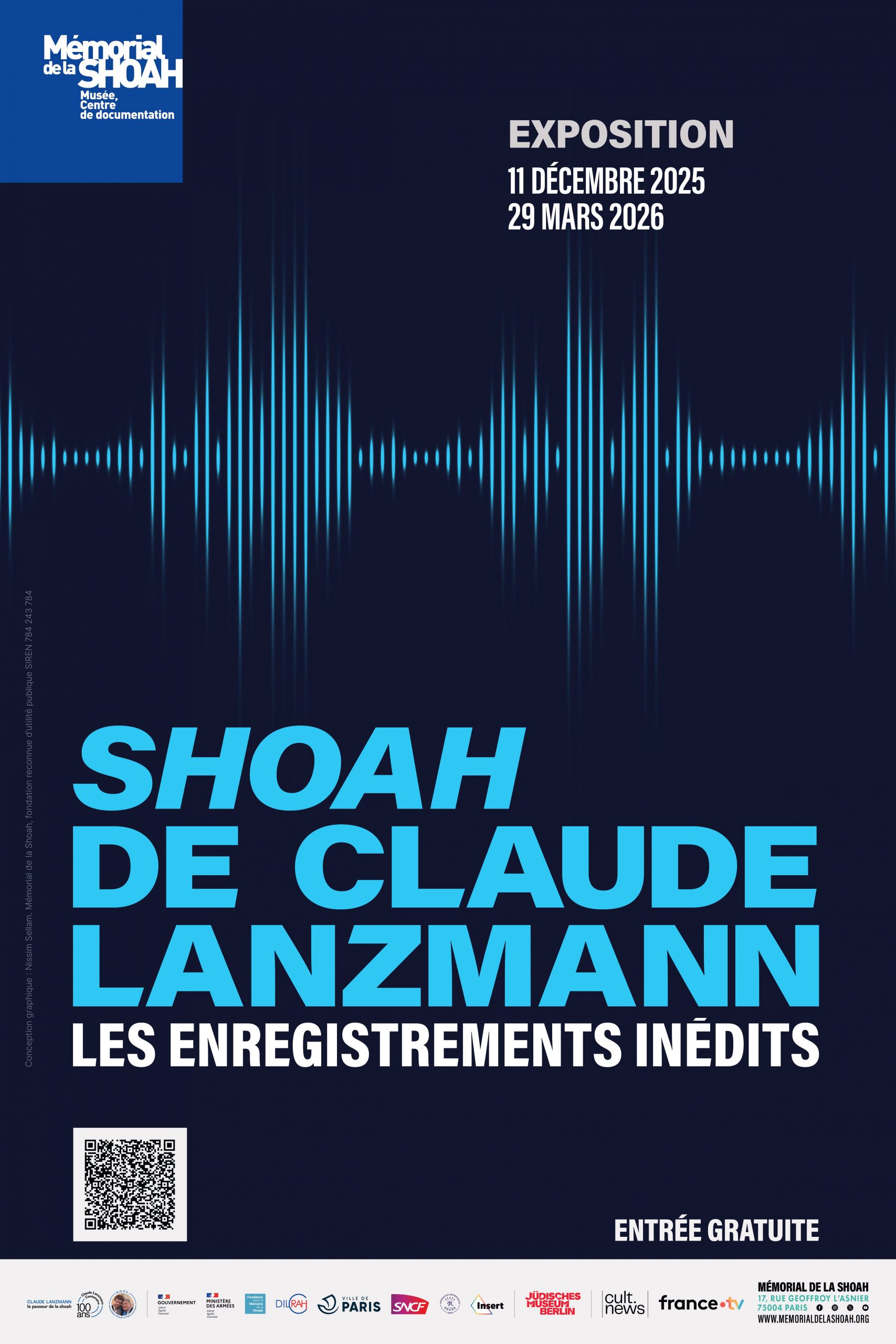
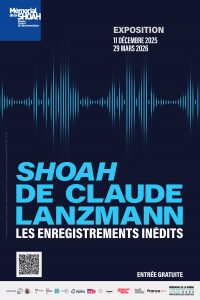
On the occasion of the centenary of the birth of Claude Lanzmann and the 40th anniversary of the film Shoah, the Shoah Memorial presents an exhibition designed by the Jewish Museum in Berlin.
In the spring of 1985, Claude Lanzmann (1925-2018) premiered his monumental film Shoah in Paris. He worked on this work for twelve years. Even today, this film of more than nine hours is a reference in its representation of the genocide perpetrated by the Nazis against six million Jews.
The exhibition "Shoah by Claude Lanzmann, les enregistrements inédits" allows for the first time the public to access the audio archives of this film.
For Shoah, Lanzmann interviewed survivors, executioners and witnesses. He went with his camera to the scene of systematic extermination in search of clues. He renounced the use of archival footage in his film.
The exhibition focuses on the many years of preparation that preceded filming. During this period, Claude Lanzmann and his assistants, Corinna Coulmas and Irena Steinfeldt-Levy, carried out research in different countries and conducted countless preliminary interviews, recorded on magnetic tape. These audio recordings, hitherto unknown, show the extent to which the director was interested in different facets of the Shoah before choosing extermination as the central theme of his work. They also give a glimpse of memory three decades after the end of the war.
The Lanzmann Collection, which is kept at the Jewish Museum in Berlin thanks to a donation from the Claude and Félix Lanzmann Association, is the basis of this exhibition. This collection has about 220 hours of audio recordings in eight languages. Since 2023, this fund, like the film Shoah, has been listed on UNESCO’s "Memory of the World" register.
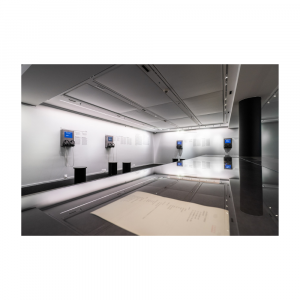
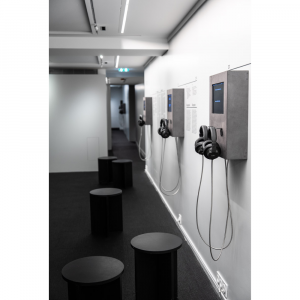
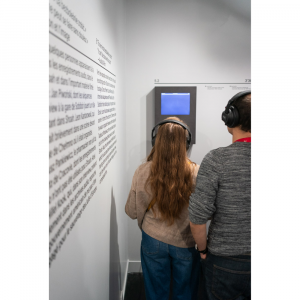
 The exhibition features excerpts from these recordings. They are presented for the first time at the same time in Paris and Berlin. The course, structured in 6 parts, invites visitors to live an immersive sound experience around the themes presented: from Lanzmann’s initial reflections to interviews with witnesses on specific issues related to the Shoah, up to the making of the film Shoah.
We discover the stories of witnesses that Claude Lanzmann did not retain or could film. Among them, survivors of various ghettos and camps, including the poet Avrom Suskever, Erich Kulka (Auschwitz), Ilana Safran (Sobibor), or rescuers such as Friedrich Graebe, and former leaders and executors of the Final Solution.
These recordings resonate with particular relevance in our present, which experiences a break with the end of testimony.
The witnesses who express themselves in the film speak as "revenants" from the dead.
To better contextualize the recordings, the exhibition also presents original documents from the private archives of Claude Lanzman. These documents contain letters, lists, notes and index cards from this period of research, which provide further insight into the practical work of the director and his assistants.
Discover the exhibition in 6 parts
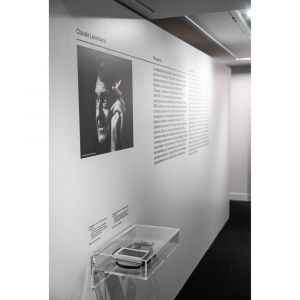
Claude Lanzmann
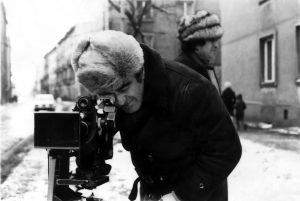 Claude Lanzmann, French director and journalist, was born on 27 November 1925 in Bois-Colombes, France. As a teenager during the German occupation, he joined the Resistance. After studying philosophy, he taught at the Free University of Berlin in 1948/1949.
It was at this time that he produced his first journalistic works. In the early 1950s, he began a long relationship with Jean-Paul Sartre and Simone de Beauvoir. He joined the editorial staff of the magazine Les Temps Modernes, then became its editor. In 1973, he presented his first film, Why Israel, and twelve years later, Shoah.
In the following decades, Lanzmann directed many other films. He received numerous awards as a director, writer and journalist. He received the Golden Bear of Honor at the Berlinale for his entire body of work.
Claude Lanzmann dies on 5 July 2018 in Paris, the day after the premiere of his last film, Les quatre sœurs.
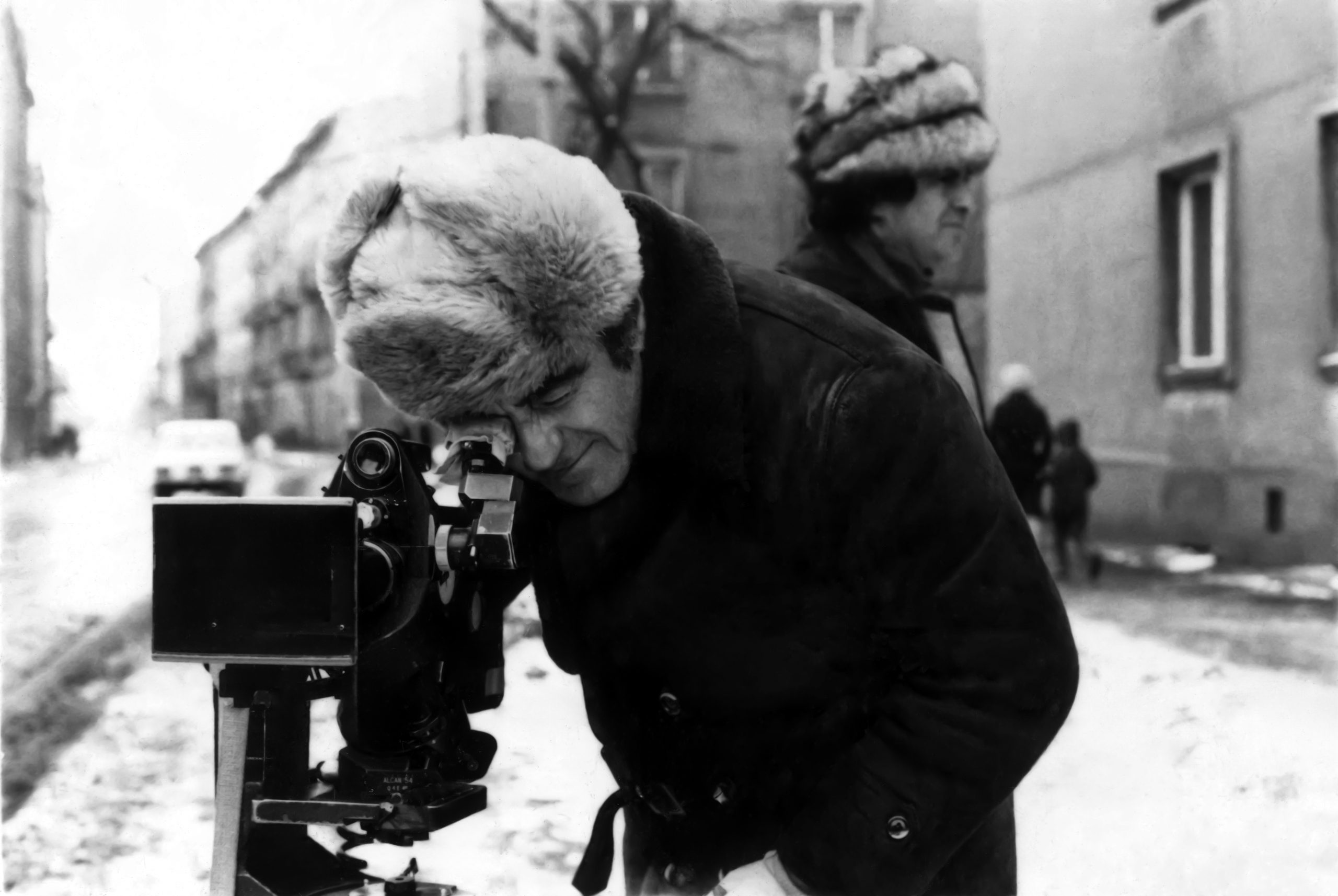
Photo: Claude Lanzmann in Poland during the filming of Shoah. © Association Claude and Felix Lanzmann.
Scientific Commissioner: Dr. Tamar Lewinsky.
French adaptation: Sophie Nagiscarde, head of the Cultural Activities department, Natacha Nisic, artist and filmmaker, and Clara Lainé, operational and administrative coordinator.
Programming around the exhibition: Julie Maeck.
An exhibition designed by the Jewish Museum in Berlin
The exhibition in pictures
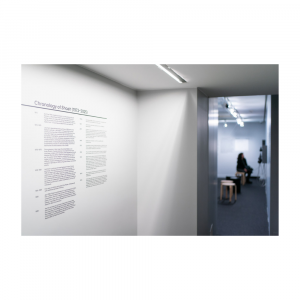
View of the exhibition at the Shoah Memorial © Shoah Memorial/Photo: Yonathan Kellerman
Review the inaugural conference of the exhibition
PRESS CONTACT
Ingrid Cadoret | C La Vie – The Agency
ingrid@c-la-vie.fr | +33 6 88 89 17 72
Ninon France | C La Vie – The Agency
ninon.france@c-la-vie.fr | +33 6 19 95 85 68
Download the press release